

Commercial Battery Storage: When Is It Worth It for Your Business?
Rising electricity prices, increasing demand charges, and the growing adoption of renewable energy are driving more businesses to invest in commercial battery storage. Whether your company operates a manufacturing facility, warehouse, office building, or EV charging station, an energy storage system can improve energy efficiency while reducing long-term operating costs.
However, a commercial battery storage system is not the right solution for every business. Its value depends on your electricity consumption, load profile, utility tariff, and how the system will be used.
This guide explains when commercial battery storage makes financial sense, the benefits it offers, and the key factors to consider before making an investment.
When Does Commercial Battery Storage Make Sense?
The best return on investment comes when battery storage matches your business's actual energy usage. Companies are more likely to benefit if they meet several of the following conditions.
Your Business Has High Electricity Consumption
Businesses with consistent or high electricity demand can maximize the value of battery storage by using more self-generated electricity instead of purchasing power from the grid.
Industries with energy-intensive operations often see greater savings because even small improvements in energy efficiency can significantly reduce operating costs.
Typical examples include:
- Manufacturing facilities
- Cold storage warehouses
- Food processing plants
- Distribution centers
- Commercial buildings with high HVAC loads
You Experience Peak Demand Charges
Many commercial electricity bills include demand charges, which are based on the highest level of electricity used during a billing period rather than total energy consumption.
A commercial battery energy storage system (BESS) can reduce these demand peaks through peak shaving by discharging stored energy during periods of high demand.
Peak shaving is particularly valuable for businesses operating:
- Heavy machinery
- Industrial compressors
- Welding equipment
- Large HVAC systems
- Electric vehicle charging stations
Lower demand charges often represent one of the fastest financial returns from commercial battery storage.
You Already Have Solar—or Plan to Install It
Commercial solar battery storage allows businesses to maximize the value of their solar investment.
Without battery storage, excess solar energy generated during the day is often exported to the grid at relatively low compensation rates. Later, when solar production decreases, businesses must purchase electricity at higher retail prices.
Battery storage helps by:
- Storing excess solar energy
- Increasing on-site self-consumption
- Reducing grid electricity purchases
- Improving overall solar project ROI
The higher your solar self-consumption rate, the greater the economic benefit of the entire renewable energy system.
Your Business Can Manage Energy Flexibly
Battery storage delivers the greatest value when combined with an Energy Management System (EMS).
An EMS automatically determines when to:
- Charge the battery
- Discharge stored energy
- Prioritize solar generation
- Reduce demand peaks
- Optimize electricity use based on utility pricing
Instead of acting as a passive storage device, the battery becomes an active part of your company's energy strategy.
Checklist: Is Commercial Battery Storage Right for Your Business?
Your business is likely a good candidate if several of the following apply:
✔ High annual electricity consumption
✔ Existing or planned solar PV system
✔ Significant demand charges
✔ Electric vehicle charging infrastructure
✔ High electricity usage outside solar production hours
✔ Plans to reduce long-term operating costs
✔ Future facility expansion or increased energy demand
The more boxes you can check, the more likely commercial battery storage will deliver a strong return on investment.
Key Benefits of Commercial Battery Storage
A properly designed commercial battery storage system provides more than backup power. It helps businesses improve operational efficiency while creating long-term financial value.
Lower Energy Costs
Battery storage reduces electricity purchases from the grid by storing lower-cost or self-generated energy for later use.
Combined with peak shaving, businesses can reduce both energy charges and demand charges.
Greater Energy Independence
By increasing the use of on-site renewable energy, businesses become less exposed to fluctuating electricity prices and grid instability.
Better Solar Utilization
Commercial solar battery storage significantly increases solar self-consumption, allowing businesses to maximize the return on their photovoltaic investment.
Improved Energy Resilience
Depending on system design, battery storage can also support critical loads during grid outages, helping minimize downtime and improve business continuity.
Future-Proof Energy Infrastructure
Modern battery storage systems can integrate with:
- Solar PV
- EV charging stations
- Microgrids
- Backup generators
- Smart building management systems
This flexibility allows businesses to expand their energy infrastructure without major redesigns.
What Determines the ROI of Commercial Battery Storage?
No two businesses have the same energy profile, so return on investment varies from project to project.
The most important factors include:
Load Profile
Understanding when electricity is consumed is more important than total annual consumption.
Businesses with frequent demand peaks or high evening energy usage generally achieve greater savings.
Electricity Tariffs
Utility pricing structures—including time-of-use rates and demand charges—directly influence battery storage economics.
Solar Self-Consumption
The more excess solar energy that can be stored and used on-site, the higher the financial return.
Battery Size
Oversized systems increase capital costs, while undersized systems limit savings.
Proper system sizing is essential for maximizing ROI.
Energy Management Strategy
An intelligent EMS ensures the battery operates at the right time, improving efficiency and extending battery life.
Tip: A minimum of 12 months of electricity consumption and load profile data provides the most reliable basis for designing a commercial battery storage system.
Real-World Example
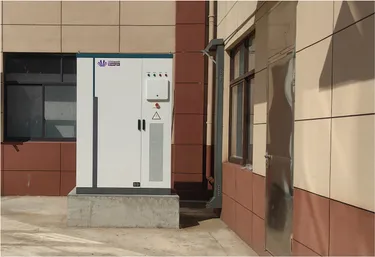
A yacht service company in the Netherlands deployed a liquid-cooled battery energy storage system rated at 125 kW / 261 kWh. The system reduces demand peaks, optimizes on-site energy consumption, and improves overall energy management.
This project demonstrates that the success of commercial battery storage depends not only on battery capacity, but also on proper system sizing, intelligent controls, and alignment with the business's energy profile.
Commercial Battery Storage vs. Residential Batteries
Some small businesses consider combining multiple residential batteries instead of installing a commercial system.
While this may appear less expensive initially, commercial battery storage offers significant advantages.
| Feature | Residential Battery | Commercial Battery Storage |
|---|---|---|
| Capacity | Limited | Scalable |
| Power Output | Residential use | Commercial applications |
| Peak Shaving | Limited | Yes |
| EMS Integration | Basic | Advanced |
| Expandability | Limited | Modular |
For businesses expecting future growth, a purpose-built commercial battery storage system is usually the more reliable long-term investment.
How to Choose the Right Commercial Battery Storage System
Selecting the right solution involves more than comparing battery capacity.
Look for a supplier that offers:
- Modular and scalable system design
- Compatibility with solar PV and EMS platforms
- Advanced battery safety technologies
- Reliable technical support and project engineering
- Experience with commercial and industrial applications
A professional energy assessment ensures the battery system is properly matched to your operational requirements.
Frequently Asked Questions
Is commercial battery storage worth it without solar?
Yes. Businesses with high demand charges or time-of-use electricity pricing can benefit from peak shaving and load shifting even without solar.
How long do commercial battery storage systems last?
Most lithium battery systems are designed for more than 10 years of operation, depending on battery chemistry, cycling frequency, and maintenance.
What size commercial battery storage system do I need?
System size depends on your electricity usage, demand profile, solar generation, and operational goals. A professional energy analysis is recommended.
How quickly does commercial battery storage pay for itself?
Payback periods vary depending on electricity prices, demand charges, solar generation, and system utilization. Projects that combine multiple value streams—such as solar self-consumption, peak shaving, and load management—typically achieve the fastest returns.
Conclusion
Commercial battery storage is becoming an essential part of modern business energy management. When properly designed, it helps reduce electricity costs, improve solar self-consumption, lower demand charges, and increase operational flexibility.
The key to maximizing return on investment is selecting the right battery size and integrating it with your facility's actual energy profile and long-term business goals.
Discover the Right Commercial Battery Storage Solution with Ultimati Energie
Every business has unique energy requirements. That's why the most effective commercial battery storage system begins with a detailed analysis of your electricity consumption, load profile, and future expansion plans.
Whether you're planning a solar project, upgrading your facility, or looking to reduce energy costs, our experts can help you design a battery storage solution tailored to your business.
👉 Contact us today to discuss your commercial battery storage project and discover how much your business could save.

Ultimati Energie Deutschland GmbH is a Germany-based B2B energy storage system provider specializing in scalable residential and C&I battery storage solutions for European partners.
Become a Partner
Sales: +49 1624886367
Customer Support:
+49 15226994869
Address: Ober der Röth 4, 65824 Schwalbach am Taunus, Germany
Copyright © 2026 Ultimati Energie Deutschland GmbH All rights reserved.