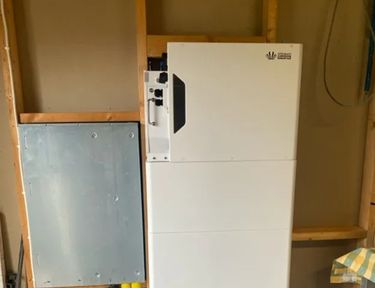
Why Do You Still Buy Electricity Even If Your Solar Panels Produce Plenty of Power?
Installing solar panels is one of the best ways to reduce electricity costs and generate clean energy. However, many homeowners are surprised to find that they still rely on grid electricity every evening—even on sunny days.
The reason is simple: solar energy production and household electricity demand rarely occur at the same time.
Most solar systems generate the highest amount of electricity around midday, when many people are away from home and energy consumption is relatively low. During the evening, when lights, appliances, heat pumps, and electric vehicles require more power, solar production drops significantly or stops altogether.
An energy storage system solves this mismatch by storing excess solar energy during the day and making it available whenever your home needs it. As a result, you can increase your solar self-consumption, reduce reliance on the grid, and get more value from every kilowatt-hour your solar panels produce.
Why Is Increasing Solar Self-Consumption Important?
Solar self-consumption refers to the percentage of electricity generated by your solar panels that is used directly in your home instead of being exported to the grid.
Without battery storage, many residential solar systems only achieve a self-consumption rate of around 25% to 40% because excess electricity is exported during the day while grid electricity is purchased at night.
Increasing self-consumption offers several important benefits:
- Lower electricity bills by reducing grid purchases
- Better return on your solar investment
- Greater protection against rising electricity prices
- More efficient use of clean, renewable energy
In many countries, the value of using your own solar electricity is now significantly higher than the payment received for exporting surplus power to the grid. That makes maximizing self-consumption more valuable than ever.
So how can you use more of the solar energy your system generates?
How Does Battery Storage Increase Solar Self-Consumption?
A home battery storage system bridges the gap between when solar energy is generated and when it is actually needed.
Here's how the process works:
- Solar panels first power your home's current electricity demand.
- Any excess electricity charges the battery instead of being exported immediately.
- During the evening or at night, the battery supplies stored energy to your home.
- Grid electricity is only used when both solar production and battery energy are unavailable.
By shifting solar energy from daytime to nighttime, battery storage allows homeowners to consume much more of their own renewable electricity without changing their daily routines.
Other technologies such as heat pumps or EV chargers can also increase self-consumption. However, they become even more effective when paired with battery storage because stored solar energy remains available after sunset.
How Much Can Battery Storage Increase Self-Consumption?
The improvement depends on several factors, including:
- Solar system size
- Battery capacity
- Household electricity consumption
- Daily usage patterns
- Heat pumps and electric vehicles
Without battery storage, many homes use only 25–40% of the electricity generated by their solar panels.
A properly sized battery storage system can often increase self-consumption to 60–80%, and in some homes even higher when combined with smart energy management.
The actual improvement depends on several factors, including the size of your solar system, household electricity consumption, daily energy usage, and battery capacity. Choosing a battery that matches your energy profile is usually more effective than simply installing the largest system available.
Additional Ways to Increase Solar Self-Consumption
Battery storage provides the biggest improvement, but combining it with smart energy management can further increase the amount of solar electricity used on-site.
Smart Energy Management System (EMS)
An EMS continuously monitors solar production, battery status, and household electricity demand. It automatically decides when to charge the battery, power appliances, or export electricity, helping maximize solar utilization without manual intervention.
Schedule High-Energy Appliances
Running washing machines, dishwashers, water heaters, or pool pumps during periods of high solar production allows more solar electricity to be consumed directly.
Integrate Heat Pumps
Heat pumps can be programmed to operate when solar generation is highest or when stored battery energy is available, reducing grid electricity consumption.
Charge Your EV with Solar Power
Smart EV chargers can automatically prioritize excess solar energy, increasing self-consumption while lowering charging costs.
Build a Connected Home Energy System
The greatest benefits come when solar panels, battery storage, smart controls, heat pumps, and EV chargers work together as one integrated energy system.
Want to Maximize Your Solar Self-Consumption?
The best battery storage solution depends on your solar system, electricity usage, and future energy needs.
Talk to our energy storage experts to find the right residential or commercial battery system for your application.
👉 Find Your Ideal Battery Storage Solution with Ultimati Energie
How Commercial Battery Storage Increases Solar Self-Consumption
The benefits of increasing solar self-consumption are not limited to residential systems. Businesses with rooftop solar installations can also reduce electricity costs by using more of the energy they generate on-site instead of exporting it to the grid.
Battery storage makes this possible by storing excess solar energy during periods of high generation and supplying it when electricity demand increases. Combined with an Energy Management System (EMS), commercial battery storage can optimize energy use throughout the day while reducing reliance on grid electricity.
Beyond improving self-consumption, businesses can also benefit from additional capabilities such as:
- Peak shaving to reduce demand charges
- Load shifting to make better use of lower-cost electricity
- Backup power for critical operations during outages
- Greater energy resilience through more reliable power management
For commercial and industrial facilities, battery storage not only increases solar self-consumption but also helps improve overall energy efficiency and long-term operating costs.
Conclusion
Battery storage is one of the most effective ways to increase solar self-consumption and make better use of the electricity your solar panels generate. By storing excess daytime solar energy for use in the evening, homeowners can lower electricity bills, reduce reliance on the grid, and improve the overall value of their solar investment.
Combined with smart energy management, heat pumps, and EV charging, battery storage creates a more efficient and resilient home energy system. Whether for a residential property or a commercial facility, choosing the right battery solution helps unlock the full potential of solar energy.
Frequently Asked Questions
Can I add battery storage to an existing solar system?
Yes. Most existing solar PV systems can be retrofitted with battery storage. Adding a battery allows you to store excess solar energy generated during the day and use it later, helping increase self-consumption and reduce reliance on grid electricity.
Does battery storage eliminate the need for grid electricity?
Not completely. Battery storage can significantly reduce grid dependence by supplying stored solar energy when your solar panels are not generating electricity. However, most grid-connected homes still rely on the grid during extended periods of low solar production or when the battery is fully discharged.
Is battery storage worth it if I already export excess solar energy?
In many regions, yes. Since the value of self-consumed electricity is often higher than the compensation for exported solar power, battery storage can increase the financial return on your solar system by allowing you to use more of the energy you generate yourself.