

What Makes Commercial and Industrial Power Energy Storage Systems Truly Efficient
The energy transition is reshaping the global energy landscape — presenting both challenges and tremendous opportunities for businesses. Whether it’s production workshops, office buildings, or logistics centers, more and more companies are actively adopting energy storage systems to achieve efficient electricity utilization, cost optimization, and energy independence. But what truly defines an efficient energy storage system?
This article will walk you through the key technologies and functional elements to consider when selecting an energy storage solution — and explore how industrial energy storage systems can help enterprises move toward a sustainable and efficient energy future.
Why commercial and industrial sectors cannot do without energy storage systems
The energy demand in commercial and industrial sectors is massive and continuous. Fluctuating electricity prices, unstable power markets, and the rising share of renewable energy have made energy management increasingly complex.
This is exactly where energy storage systems come into play. They can store self-generated solar energy and release it when needed — providing enterprises with a stable, economical, and efficient energy supply.
The importance and development trend of industrial energy storage systems
Today, industrial energy storage systems are no longer just an “innovative concept,” but a standard configuration for modern enterprises. They balance load fluctuations, stabilize internal grids, and significantly reduce dependence on the public grid. Especially when combined with photovoltaic systems, they can achieve a high degree of energy self-sufficiency and reduce operational risks.
Enterprises adopting commercial energy storage solutions can not only effectively lower electricity bills but also reduce CO₂ emissions — which is crucial for achieving ESG goals and advancing sustainability strategies.
Key features of an efficient energy storage system
A truly efficient energy storage system is not merely a battery, but an integrated solution of technology, intelligent control, and energy system integration.
High power charge and discharge performance
The core of an energy storage system lies in its power performance. It must be capable of fast energy storage and discharge within short periods to meet the continuous demands of industrial production. Only then can enterprises maintain stable operations even during load fluctuations.
Intelligent control and energy management
The efficiency of modern industrial energy storage systems relies heavily on intelligent control systems. By monitoring energy demand in real time, predicting peak loads, and automatically optimizing power output, the system can achieve precise energy distribution and dynamic management — thereby reducing electricity costs.
Such intelligent commercial energy storage solutions are at the heart of an enterprise’s journey toward “smart energy management.”
Flexibility and scalability
From small and medium-sized manufacturers to large industrial groups, energy needs vary widely. An excellent storage system must support flexible configuration and modular expansion.
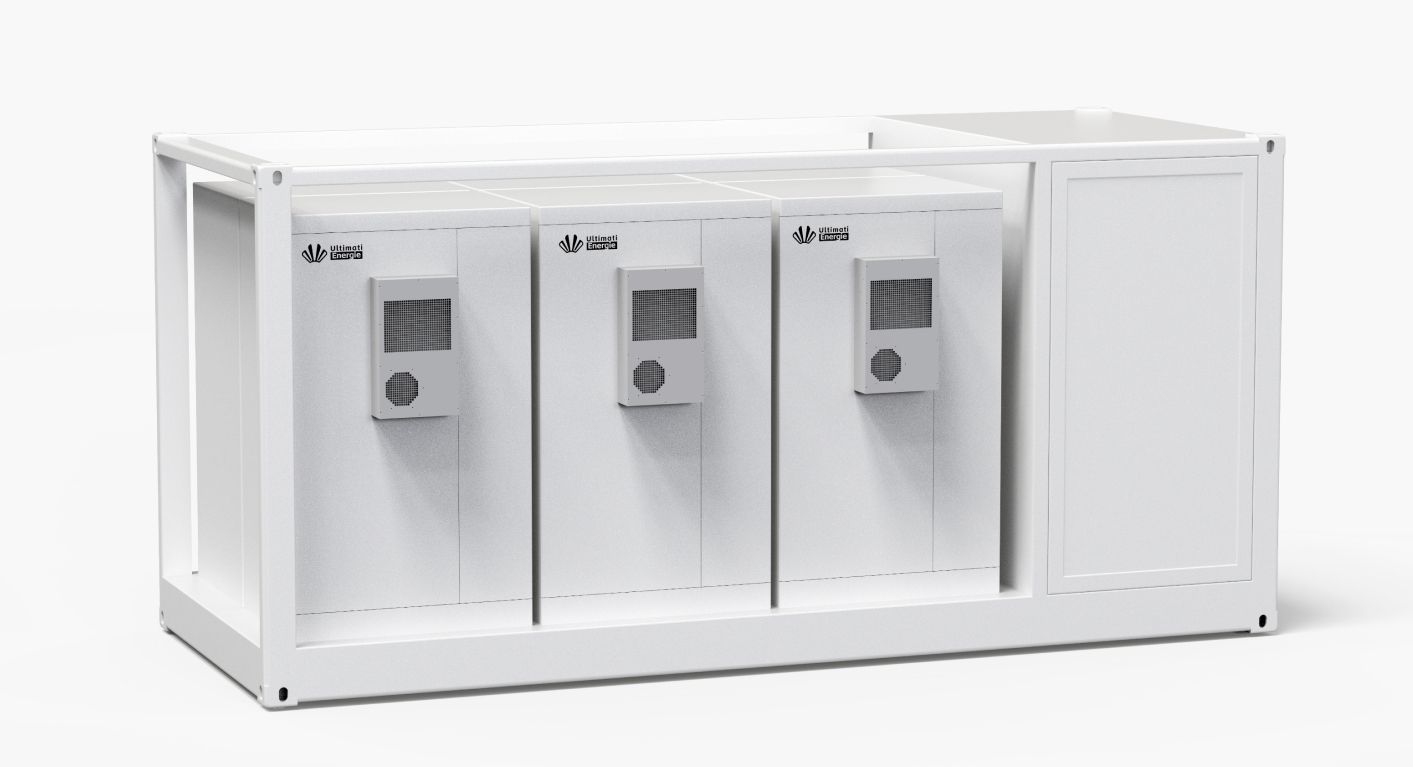
For example, Ultimati Energie’s UltiCube 1290 kWh BESS energy storage container features modular design, safe and reliable LFP batteries, and integrated intelligent EMS. It can easily adapt to enterprises of various scales and requirements, leaving ample room for future expansion.
Economic advantages of energy storage systems
Significantly reducing energy costs
With energy storage systems, enterprises can store electricity during off-peak periods and use their own power during peak hours — substantially cutting down electricity expenses.
Enhancing energy independence
By using industrial energy storage systems, enterprises can generate, store, and consume their own energy, reducing reliance on the public grid. This is especially important in an environment of rising energy prices.
Supporting sustainability and carbon reduction
More and more companies are integrating sustainability into their core strategies. Commercial energy storage solutions not only improve energy efficiency but also help reduce carbon emissions — building a green corporate image and earning market recognition.
Technological foundations of industrial energy storage systems
Diversified development of battery technologies
The battery is the core of any energy storage system. Currently, lithium-ion batteries dominate due to their high efficiency, long lifespan, and low maintenance costs. At the same time, emerging technologies such as sodium-ion and solid-state batteries are gaining attention, showing greater advantages in safety and sustainability.
Intelligent integration with energy systems
A high-quality industrial energy storage system must achieve seamless integration with photovoltaic systems, inverters, and energy management systems. Only when all components are intelligently interconnected and data is shared can the system maximize its energy efficiency potential.
Application scenarios for commercial energy storage solutions
Energy optimization in manufacturing enterprises
In manufacturing, energy efficiency directly impacts costs and competitiveness.
With energy storage systems, enterprises can maintain stable electricity supply, reduce peak loads, and lower high grid connection fees.
Commercial buildings and office facilities
In service-oriented enterprises, commercial energy storage solutions also play an important role.
Companies can store self-generated solar energy to power lighting, air conditioning, and EV charging facilities — achieving all-day energy efficiency.
Electric vehicle charging infrastructure
With the popularization of electric mobility, combining energy storage with charging facilities has become a new trend. Energy storage systems can buffer power loads during charging peaks, ensuring multiple charging stations operate simultaneously without overloading the grid — delivering significant economic and efficiency benefits for commercial charging stations.
How to choose the right energy storage system
1.Accurate analysis of energy demand
Before investing in an energy storage system, enterprises should comprehensively analyze their energy consumption characteristics — when do peak loads occur? What proportion of energy is self-generated? What is the current energy structure? This data forms the basis for system capacity and configuration design.
2.Focus on technical quality and lifespan
High-quality components determine system reliability. A long-cycle, low-maintenance industrial energy storage system can operate stably over time, providing lasting returns for the enterprise.
3.Compatibility and future scalability
A forward-looking energy storage system should be open and scalable — capable of integrating with smart grids, e-mobility, and even hydrogen energy technologies. Modular design and intelligent interfaces are key guarantees for ensuring the system’s future adaptability.
Future trends in commercial energy storage
Energy storage technology is evolving at an astonishing pace. In the future, artificial intelligence, predictive analytics, and automated control will further enhance the efficiency and intelligence of energy storage systems. Enterprises that adopt modern industrial energy storage systems early will gain a leading edge in reducing operational costs, improving energy independence, and building sustainable competitiveness.
Conclusion
An efficient commercial and industrial energy storage system is not merely an energy reserve — it is the core of a company’s energy management framework. By leveraging intelligent storage technologies, modular design, and advanced energy management systems, enterprises can achieve optimal energy utilization and long-term stable supply.
The future energy landscape will belong to flexible, intelligent, and sustainable commercial energy storage solutions. And that future is being shaped today by Ultimati Energie, together with partners across industries — creating a reliable, efficient, and green energy ecosystem for businesses.

Ultimati Energie Deutschland GmbH is a Germany-based B2B energy storage system provider specializing in scalable residential and C&I battery storage solutions for European partners.
Become a Partner
Sales: +49 1624886367
Customer Support:
+49 15226994869
Address: Ober der Röth 4, 65824 Schwalbach am Taunus, Germany
Copyright © 2026 Ultimati Energie Deutschland GmbH All rights reserved.