

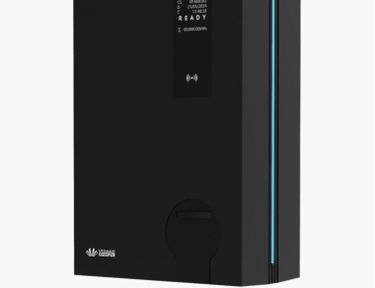
Charging Your Electric Vehicle at Home: The Advantages of a Wallbox over a Regular Socket
With the growing popularity of electric vehicles, “charging your EV at home” is becoming an increasingly relevant topic for many car owners. For households that already own an electric car, one common question arises: is it worth investing in a Wallbox, or is a regular household socket sufficient? This article will walk you through the main advantages of a Wallbox compared to a standard socket, key installation considerations, and how EV charging devices can help you build an efficient, safe, and smart home charging system.
Why Charge Your Electric Vehicle at Home
Electric vehicles are known for being eco-friendly, quiet, and low-cost to operate — but the charging method greatly influences the overall experience. Home charging is undoubtedly the most convenient option, allowing your vehicle to stay fully charged every day. Compared to a regular socket, a Wallbox makes charging faster, safer, and more energy-efficient, which is why it has become the preferred choice for more and more EV owners.
Convenience and Flexibility: Bringing Charging Closer to Everyday Life
Choosing to charge at home means you can set your own schedule. Plug in your car at night, and it’s fully charged by morning. A Wallbox not only supports scheduled charging but can also automatically monitor the charging status — functions that a regular socket simply cannot provide. It makes charging as simple and smart as using any household appliance.
Enhanced Safety Protection
Safety is the top priority when it comes to EV charging. Regular sockets are generally not designed to handle the high current required for long periods of EV charging, which can lead to overheating or short-circuit risks. Wall-mounted EV chargers, on the other hand, come with multiple built-in safety features such as leakage protection, temperature monitoring, and overcurrent protection. These ensure the safety of both people and vehicles while also extending the battery’s lifespan.
Wallbox vs. Regular Socket: The Technical Differences
A standard household socket provides about 230 volts and 10–16 amps of current, which can only supply a small amount of energy — fully charging an electric vehicle can take many hours or even overnight. Modern Wallboxes, however, offer power levels between 11 and 22 kilowatts, allowing your EV to charge completely in just a few hours — significantly improving charging efficiency.
Higher Efficiency and Energy Savings
The high-power output of a Wallbox allows your vehicle to be charged in much less time. For families that commute daily or own multiple vehicles, this brings tremendous convenience. In addition, higher charging efficiency means less energy loss, ensuring that electricity is used more effectively.
Smart Energy Management
Today’s Wallboxes are no longer just “charging tools” — they are becoming an integral part of home energy management systems. They can intelligently detect the household’s total power load, avoid charging during peak hours, and automatically distribute electricity. Some models can even connect with smart home systems, allowing users to control charging remotely via a mobile app, monitor charging progress, and set charging schedules — creating a smarter, more connected charging experience.
Key Installation Considerations for Home Wallboxes
When installing a Wallbox, choosing the right location is crucial. It’s recommended to place it close to your parking spot, where electrical connections are convenient, and where the unit is protected from rain and sunlight for everyday use.
Professional Installation and Safety Standards
Installation must be carried out by a certified electrician.The electrician will check your existing electrical system’s capacity, install the charger, and ensure all wiring meets safety standards — including residual current devices (RCDs), dedicated circuit breakers, and compliance with VDE safety regulations. Only with professional installation can you ensure efficient and safe charging.
Costs and Government Subsidies
The price of a Wallbox typically ranges between €500 and €1500, depending on power capacity and features. Installation costs vary based on the home’s electrical setup. In Germany and some other regions, government incentives are available to subsidize the purchase and installation of Wallboxes, helping offset the costs and making this investment more cost-effective.
Long-Term Advantages of a Wallbox
1. Faster Charging Speeds
A Wallbox can fully charge your electric car within a few hours, while charging via a regular socket often takes an entire night or even longer.
2. Higher Safety
Wall-mounted chargers include comprehensive protection mechanisms that prevent overheating, overloading, and short circuits — safeguarding both your car’s battery and your home’s electrical system.
3. Future-Proof Scalability
Wallboxes support the latest charging standards and can be upgraded to meet future vehicle technologies and household energy needs — making them a long-term investment with lasting value.
How to Choose the Right Wallbox
When selecting a Wallbox, consider your vehicle type, charging habits, and household electrical capacity. Key factors include: Charging power (recommended starting from 11 kW);Connector type and compatibility; Smart features (such as app control, scheduled charging, and load management); Integration with solar or home energy storage systems Choosing a model with smart energy management can effectively reduce peak load and save on electricity costs.
Types of EV Charging Devices
- Basic Wallboxes: Suitable for entry-level EVs, offering moderate charging speeds and cost-effectiveness.
- High-Performance Wallboxes: Provide 11–22 kW power output, ideal for larger vehicles or faster charging needs.
- Smart Wallboxes: Can connect to smart home systems and feature app-based remote control, energy monitoring, and load balancing.
Conclusion
Compared with regular sockets, Wallboxes offer clear advantages for home EV charging — faster charging, greater safety, and smarter energy management. They not only make charging more efficient and convenient but also represent a crucial step toward sustainable mobility in the future.
For individuals or businesses looking to build a smart, safe, and reliable charging system, Ultimati Energie provides comprehensive support. With professional EV charging equipment and intelligent energy management solutions, Ultimati Energie makes home charging more comfortable, efficient, and secure. Contact Ultimati Energie today to find the Wallbox solution best suited for your home and receive personalized consultation services.

Ultimati Energie Deutschland GmbH is a Germany-based B2B energy storage system provider specializing in scalable residential and C&I battery storage solutions for European partners.
Become a Partner
Sales: +49 1624886367
Customer Support:
+49 15226994869
Address: Ober der Röth 4, 65824 Schwalbach am Taunus, Germany
Copyright © 2026 Ultimati Energie Deutschland GmbH All rights reserved.