

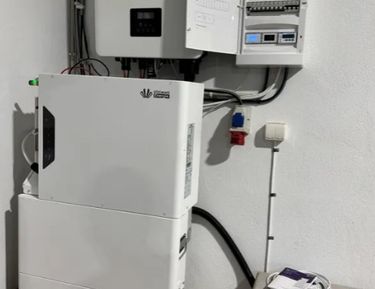
The Role of Hybrid Inverters in the Energy Transition and Sustainable Power Supply
The global energy landscape is changing faster than ever before. Governments, businesses, and individuals are under increasing pressure to cut carbon emissions and embrace renewable energy solutions. At the heart of this transformation is an often-overlooked but critical technology: the Hybrid Inverter. These devices not only make renewable power more reliable but also help create a cleaner, smarter, and more resilient energy system.
In this article, we’ll explore the role of hybrid inverters in the energy transition, why they matter, and how they are shaping a sustainable power supply for the future.
Understanding the Energy Transition
The energy transition is the global shift from fossil fuel–based power systems to renewable, low-carbon energy sources like solar, wind, and hydropower.
While renewable energy is cleaner and more sustainable, it also comes with challenges:
Solar power is only generated during the day.
Wind energy depends on weather conditions.
Supply often doesn’t align with demand.
This intermittency makes energy storage and management essential. Without smart solutions, renewable energy alone can’t guarantee the stability modern power systems require. That’s why Hybrid Inverters with battery storage are increasingly recognized as the missing link between clean energy and reliable electricity.
What Exactly Is a Hybrid Inverter?
Traditional solar inverters have a simple job: converting direct current (DC) from solar panels into alternating current (AC) for household or business use.
A Hybrid Inverter goes further. It not only converts energy but also integrates battery storage and provides smart energy management.
Key Features of Hybrid Inverters:
Energy Conversion: Converts solar power from DC to AC.
Battery Integration: Stores excess solar energy for later use.
Grid Support: Switches seamlessly between solar, battery, and grid power.
Smart Monitoring: Optimizes usage based on consumption patterns.
By combining these features, a Solar Hybrid Inverter ensures maximum efficiency, giving users control over when and how they use energy.
Why Hybrid Inverters Are Critical to the Energy Transition
The growing adoption of hybrid inverters is no coincidence. These devices directly address some of the biggest challenges of renewable energy integration.
1. Maximizing Renewable Energy Utilization
With energy storage inverters, excess solar power is stored instead of being wasted. This means renewable energy can be used at night or during cloudy days, making systems more efficient and sustainable.
2. Enhancing Grid Stability
Renewable energy can cause fluctuations in supply. A Smart Hybrid Inverter helps balance supply and demand, improving grid reliability and reducing the risk of blackouts.
3. Lowering Energy Costs
Hybrid inverters allow homeowners and businesses to store cheap, off-peak electricity and use it during peak times. This results in long-term savings on energy bills.
4. Increasing Energy Independence
By enabling on-site storage, hybrid inverters reduce reliance on the grid. This independence is crucial during power outages and for communities in remote areas.
Environmental and Economic Benefits
Hybrid inverters aren’t just about convenience—they offer measurable benefits for both the planet and the economy:
Environmental: Lower carbon emissions, reduced dependence on fossil fuels, and less energy wastage.
Economic: Improved return on investment for solar panels, reduced energy bills, and long-term cost savings.
Societal: More resilient communities, especially in regions vulnerable to power shortages or natural disasters.
U·Energie’s Role in Driving the Future
For households and businesses looking to make the most of renewable energy, choosing the right technology is crucial. That’s where U·Energie comes in. Our hybrid inverter solutions are engineered to seamlessly connect solar panels, battery storage, and the grid, giving users greater flexibility and control over their energy use. Whether it’s lowering electricity costs, ensuring reliable backup power during outages, or maximizing the efficiency of solar systems, U·Energie’s hybrid inverters are built to meet real-world needs while supporting a more sustainable energy future.
Hybrid Inverters and Energy Resilience
As climate change drives more extreme weather, energy resilience has become a global priority. Hybrid inverters allow homes and businesses to stay powered during grid failures, keeping essential systems running.
This resilience is especially valuable in:
Remote communities with limited grid access.
Businesses that require uninterrupted power.
Households seeking peace of mind during blackouts.
By supporting both daily efficiency and emergency reliability, hybrid inverters make renewable energy practical in all circumstances.
The Role in Smart Energy Systems
The rise of smart homes and digital grids further highlights the value of hybrid inverters. Many models come with advanced monitoring apps that let users:
Track solar production and consumption in real time.
Decide when to store energy and when to use it.
Even sell excess power back to the grid.
This level of control empowers users and contributes to smarter, more sustainable cities.
Looking Ahead: The Future of Hybrid Inverters
With battery technology becoming more affordable and energy policies encouraging renewable adoption, the future looks bright for hybrid inverters.
Expect to see:
Greater adoption in homes and businesses as costs fall.
Integration with electric vehicle charging systems, creating full-circle energy ecosystems.
Smarter AI-driven controls that optimize energy use automatically.
In short, hybrid inverters are not just a trend—they are a cornerstone of tomorrow’s sustainable power supply.
Conclusion
The global energy transition demands technologies that make renewable energy both practical and reliable. Hybrid Inverters fill this role perfectly, bridging the gap between intermittent solar power and the constant demand for electricity. By enabling efficient energy storage, lowering costs, and empowering users with energy independence, hybrid inverters are transforming how we produce and consume power.
With innovators like U·Energie leading the way, hybrid inverters are set to play a central role in building cleaner, smarter, and more resilient energy systems for generations to come.
Ultimati Energie Deutschland GmbH is a Germany-based B2B energy storage system provider specializing in scalable residential and C&I battery storage solutions for European partners.
Become a Partner
Sales: +49 1624886367
Customer Support:
+49 15226994869
Address: Ober der Röth 4, 65824 Schwalbach am Taunus, Germany
Copyright © 2026 Ultimati Energie Deutschland GmbH All rights reserved.