

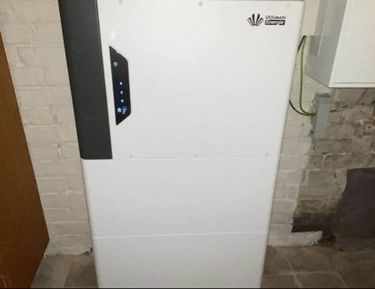
How Does a Hybrid Inverter with Battery Storage Really Work?
When people think about renewable energy, solar panels are often the first solution that comes to mind. But solar panels alone can’t guarantee energy independence. That’s where a hybrid inverter with battery storage becomes essential. This smart device not only converts solar power into usable electricity but also stores it for later use, giving households and businesses reliable energy around the clock.
In this guide, we’ll break down how a hybrid solar inverter with battery storage works, why it’s more efficient than traditional systems, and how it can help you take full control of your energy use.
What Is a Hybrid Inverter with Battery Storage?
A hybrid inverter with battery storage is a two-in-one device that both converts solar energy and manages energy storage.
Traditional inverters only convert DC power into AC electricity for immediate use.
Hybrid solar inverters with storage go further by channeling surplus solar energy into batteries for use later.
This combination of conversion and solar battery storage ensures you’re never fully dependent on the grid.
How Does a Hybrid Solar Inverter Work?
The working process of a solar inverter with battery storage can be summarized in a few key steps:
Solar Power Generation
Panels capture sunlight and generate DC electricity.
Conversion to AC Power
The hybrid inverter converts DC into AC for use in appliances.
Battery Charging
Extra energy is stored in the connected batteries instead of being wasted.
Energy Management
The inverter decides when to store, discharge, or import from the grid.
Grid Interaction
When demand is low, excess energy can be exported back to the grid.
Backup Power
During outages, stored electricity powers essential loads.
This makes a hybrid solar battery inverter a complete energy solution for both day and night.
Benefits of Hybrid Inverters with Battery Storage
A hybrid inverter with a battery storage system offers multiple advantages:
Energy independence – Reduce reliance on the grid by storing your own solar power.
Backup security – Keep critical appliances running during blackouts.
Lower bills – Use stored solar energy at night instead of paying for grid power.
Smart utilization – Prevent waste and optimize energy flow automatically.
Sustainability – Cut carbon emissions while supporting renewable energy goals.
Compared to a standard inverter, a solar inverter with storage delivers both reliability and long-term savings.
Where Can These Systems Be Used?
The flexibility of solar battery storage systems makes them useful in many scenarios:
Homes – Store daytime solar energy for evening use.
Small businesses – Maintain productivity during power outages.
Remote areas – Achieve independence from unstable grids.
Commercial properties – Reduce peak demand charges and meet green targets.
By adapting to diverse energy needs, hybrid inverters with battery storage are becoming the preferred choice for modern solar users.
Why Choose Hybrid Over Traditional Inverters?
A conventional inverter only works when the sun is shining. Once the sun sets, you rely on the grid.
By contrast, a hybrid inverter with battery storage powers your home during the day, charges batteries, and ensures stored energy is available at night or in emergencies. Many modern hybrid solar inverters also include smart monitoring apps for tracking usage.
This makes them far superior to conventional systems that waste potential solar energy.
U·Energie’s Hybrid Inverter with Battery Storage
When evaluating your options, it’s important to choose a system that balances efficiency, reliability, and long-term value. That’s where U·Energie comes in. Our hybrid inverter with battery storage integrates seamlessly with solar panels, offering intelligent energy management, high conversion efficiency, and robust battery compatibility. Whether your goal is to lower electricity bills, safeguard against outages, or gain more energy independence, U·Energie’s solutions provide a practical, future-ready choice for households and businesses alike.
What to Consider Before Installation
Before installing a hybrid solar inverter with battery storage, consider:
Energy needs – Measure daily electricity use.
Battery capacity – Larger capacity means longer power availability.
Efficiency – Choose inverters with high conversion rates.
Scalability – Ensure the system can grow with your future needs.
Compatibility – Match inverter specs with your solar panels and batteries.
Return on investment – Balance upfront cost against long-term savings.
Common Misconceptions
“They’re only for off-grid living.”
In reality, hybrid systems work on-grid or off-grid, offering flexibility.
“Batteries don’t last long.”
Modern lithium-ion batteries last 10–15 years with proper care.
“They’re too complicated.”
Most solar battery inverters come with user-friendly monitoring apps.
The Future of Hybrid Inverters
With rising energy costs and renewable adoption, hybrid inverters with battery storage are becoming the new standard. Advances in solar battery storage systems—longer lifespans, lower costs, and smarter energy management—are making them even more accessible.
For many, a hybrid solar inverter with storage is no longer optional—it’s the smartest way to secure energy reliability and sustainability.
Conclusion
A hybrid inverter with battery storage is more than just an inverter—it’s the foundation of a self-sufficient energy system. By combining conversion, intelligent storage, and backup power, it helps users maximize solar benefits, cut electricity costs, and reduce grid reliance.
With forward-thinking providers like U·Energie, making the switch to a hybrid solar battery inverter has never been easier. If you want lower bills, reliable backup, and a greener lifestyle, investing in a hybrid inverter with battery storage is the right step forward.

Ultimati Energie Deutschland GmbH is a Germany-based B2B energy storage system provider specializing in scalable residential and C&I battery storage solutions for European partners.
Become a Partner
Sales: +49 1624886367
Customer Support:
+49 15226994869
Address: Ober der Röth 4, 65824 Schwalbach am Taunus, Germany
Copyright © 2026 Ultimati Energie Deutschland GmbH All rights reserved.