

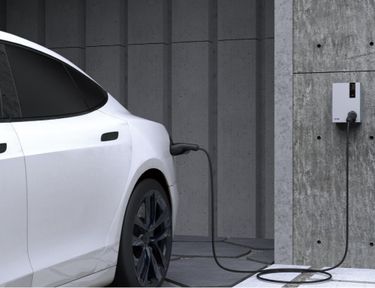
EV Charger Troubleshooting: The Most Common Problems and Solutions
As more drivers switch to electric vehicles, reliable charging is no longer a luxury — it’s a necessity. Yet even the best chargers occasionally face issues. Knowing the basics of EV charger troubleshooting can help you get back on the road quickly and avoid unnecessary downtime. This guide walks through the most common EV charging problems, practical solutions, and when to seek professional support.
Why Learning EV Charger Troubleshooting Is Important
Picture this: you arrive at a charging station after a long drive, plug in your car, and… nothing happens. These situations are stressful, but many can be solved with a few quick checks. Whether at home or at a public station, understanding EV charger repair basics can:
Save time and money on unnecessary service calls
Reduce stress during long trips
Keep your vehicle ready whenever you need it
Improve confidence in the reliability of electric mobility
For businesses operating charging networks, fast EV charger diagnostics are equally important. Station downtime directly impacts customer trust and revenue.
The Most Common EV Charging Problems and How to Fix Them
1. Charger Won’t Start Charging
This is one of the most frequent issues in troubleshooting EV charging stations. Common causes include:
Loose cable connection
Tripped circuit breaker or interrupted power supply
App or RFID card authentication errors
Quick Fix Checklist:
Ensure the connector is fully inserted into the vehicle port.
Reset the circuit breaker if necessary.
Restart the app or rescan your charging card.
2. Slow Charging Speeds
Sometimes your EV seems to charge much slower than expected. Possible reasons include:
Vehicle limitations (onboard charger capacity or battery temperature)
Shared load on public charging stations
Low grid voltage
Quick Fix Checklist:
Confirm your vehicle’s maximum charging capacity.
Check if the station is splitting power between multiple cars.
Use stations with dynamic load balancing for more stable speeds.
3. Overheating Charger
A charger that feels unusually hot may shut down automatically as a safety measure. Causes include:
Poor ventilation or direct sun exposure
Damaged cables are increasing resistance
🌡High ambient temperatures
Quick Fix Checklist:
Move the charger to a shaded or ventilated location.
Replace frayed or damaged cables immediately.
Allow the unit to cool before using again.
4. Error Codes or Warning Lights
Modern chargers often display error codes when something is wrong. These may signal:
Communication failure between the charger and the vehicle
Internal hardware fault
Network connectivity error
Quick Fix Checklist:
Refer to your charger’s manual for error code meaning.
Try rebooting the unit or updating firmware.
Call for professional EV charger repair if errors persist.
5. Connector Stuck in Vehicle
Occasionally, the connector refuses to release. This can be caused by:
Locking mechanism failure
Pressing the wrong release button
Software glitch
Quick Fix Checklist:
Use the emergency release procedure in your vehicle’s manual.
Reset the charger before attempting removal again.
Avoid pulling forcefully to prevent damage.
6. Charging Stops Mid-Session
Interrupted charging is frustrating, especially on long trips. Common reasons:
Power surges or unstable grid
Loose cable connection
Vehicle or charger timer settings are stopping the session
Quick Fix Checklist:
Reconnect the plug securely.
Double-check your timer or scheduled charging settings.
Consider using surge protection for home chargers.
Preventive EV Charger Maintenance
Effective EV charger troubleshooting isn’t just about fixing issues — it’s also about preventing them. A few small steps can extend charger lifespan and minimize failures:
Inspect cables and plugs regularly for wear
Keep the unit clean and dust-free
Update firmware for compatibility with new EV models
Monitor charging performance to spot early problems
A Smarter Way to Avoid Charging Hassles
If you’re looking to reduce downtime and avoid recurring charging issues, choosing a reliable system makes all the difference. Companies like U-Energie design smart EV chargers with built-in safety protections, dynamic load balancing, and seamless integration with renewable energy. These solutions make everyday charging smoother and simplify EV charger troubleshooting, whether you’re powering your EV at home or managing a commercial charging network.
When to Call a Professional
While many EV charger troubleshooting steps can be done yourself, some problems require professional help. Call a certified technician if you notice:
Persistent overheating despite proper ventilation
Frequent tripping of circuit breakers
Repeated or unexplained error codes
Physical damage to the charger housing or connectors
Attempting DIY repairs on complex components can be risky and may void warranties.
FAQs About EV Charger Troubleshooting
Q1: Can I reset my EV charger myself?
Yes. Most chargers include a reset button or can be rebooted by disconnecting power for a short time.
Q2: Why does charging speed differ across stations?
Charging rates depend on both the EV’s onboard charger and the station’s maximum power output.
Q3: How do I know if my charger needs replacement?
If you see repeated malfunctions, overheating, or visible wear, it may be time for a replacement.
Q4: Is slow charging always a problem?
Not always. EVs often reduce charging speeds automatically when the battery is nearly full or during extreme temperatures.
Conclusion
Understanding the basics of EV charger troubleshooting helps drivers handle common issues with confidence and ensures smoother charging experiences. From quick resets to preventive maintenance, many problems have simple solutions. And by investing in advanced, reliable chargers from providers like U-Energie, both individuals and businesses can minimize downtime, simplify maintenance, and enjoy worry-free electric mobility.
With the right knowledge — and the right equipment — EV charging becomes less about managing problems and more about powering every journey with confidence.

Ultimati Energie Deutschland GmbH is a Germany-based B2B energy storage system provider specializing in scalable residential and C&I battery storage solutions for European partners.
Become a Partner
Sales: +49 1624886367
Customer Support:
+49 15226994869
Address: Ober der Röth 4, 65824 Schwalbach am Taunus, Germany
Copyright © 2026 Ultimati Energie Deutschland GmbH All rights reserved.