

Residential Energy Storage Systems (ESS): What You Need to Know
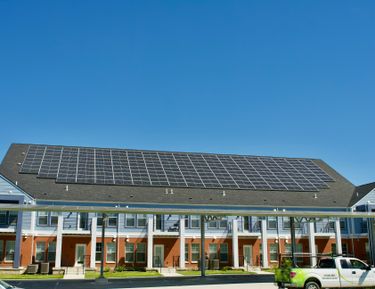
Imagine having the power to store your own energy, to use it whenever you want, without relying entirely on the grid. That’s exactly what Residential Energy Storage Systems (ESS) offer. As renewable energy sources like solar and wind grow in popularity, and as electricity prices rise, more homeowners are turning to ESS to gain energy independence, reduce costs, and contribute to a greener planet.
This blog will guide you through everything you need to know about residential ESS. From how they work and their benefits, to types of systems and considerations before buying one, you’ll get a clear, practical understanding of this game-changing technology.
What Is a Residential Energy Storage System (ESS)?
At its core, a residential ESS is a setup that allows you to store electricity generated from your home or the grid for later use. Typically, this means using batteries to save surplus energy — often produced by solar panels during the day — so you can use it during the night or during power outages.
Think of it like a water tank for electricity: you fill it up when energy is cheap or abundant, and draw from it when you need power. This stored energy can reduce your reliance on the utility grid, increase your resilience during outages, and save money by using energy when rates are lower.
How Does Residential ESS Work?
A residential ESS usually pairs with a solar power system but can also work independently. Here’s a simple flow:
- Solar panels capture sunlight and convert it into electricity.
- The electricity first powers your home’s needs.
- Excess electricity charges the battery storage system.
When the sun sets or electricity demand spikes, your home draws power from the battery instead of the grid.
If the battery runs low, the system can switch back to the grid automatically.
Behind the scenes, a smart battery management system controls charging and discharging to maximize efficiency and battery life. Many systems come with apps for real-time monitoring and control, putting you in charge of your energy usage.
Benefits of Residential Energy Storage Systems
1. Energy Independence and Resilience
With a battery system, you aren’t at the mercy of power outages or fluctuating utility rates. In storms or blackouts, your stored energy keeps the lights on and essential appliances running. It’s peace of mind you can rely on.
2. Cost Savings on Electricity Bills
Many utilities charge different rates depending on the time of day (time-of-use rates). ESS allows you to store energy when rates are low and use it when rates spike, reducing your overall energy costs.
3. Maximizing Solar Investment
Solar panels generate power only when the sun shines. Without storage, excess solar energy often goes back to the grid with little return. ESS lets you keep that extra energy for yourself, improving the return on your solar investment.
4. Environmental Impact
By using stored solar energy instead of grid electricity (often generated from fossil fuels), you reduce your carbon footprint. ESS supports a cleaner, greener home.
Types of Residential Energy Storage Systems
1. Lithium-Ion Batteries
Currently, the most popular choice, lithium-ion batteries, offer high energy density, long lifespan, and high efficiency. They’re compact and integrate well with solar systems.
2. Lead-Acid Batteries
An older technology, lead-acid batteries are less expensive upfront but have shorter lifespans and lower efficiency. They require more maintenance and space, so they are less common today for residential ESS.
3. Flow Batteries
A newer technology that offers long cycle life and scalability, but is still expensive and large in size. Not yet widely adopted for home use but promising for the future.
Key Considerations When Choosing a Residential ESS
Capacity and Power Rating
Capacity (measured in kilowatt-hours, kWh) tells you how much energy the battery can store. Power rating (kilowatts, kW) shows how much power it can deliver at once. Your choice depends on your home’s size, energy needs, and backup goals.
Compatibility with Solar Systems
If you have or plan to install solar panels, ensure your ESS can integrate smoothly for optimal performance.
Battery Lifespan and Warranty
Look for batteries with a long cycle life and solid warranty coverage. This protects your investment and ensures reliability.
Installation and Space Requirements
Consider where the battery will be installed — indoors or outdoors, garage or basement — and the space available.
Budget and Financing
ESS costs vary widely. While prices are dropping, it’s still a significant investment. Check if there are local incentives, tax credits, or financing options to help.
How Residential ESS Fits Into the Smart Home Ecosystem
Modern residential ESS often connects with smart home devices and energy management systems. This integration allows:
- Automated energy optimization based on usage patterns.
- Remote control via smartphones.
- Integration with electric vehicle charging.
- Demand response participation with utilities for additional savings.
This connectivity makes managing your home’s energy seamless and efficient.
Real-Life Examples: ESS in Action
Consider a family with solar panels and a 10kWh battery system. During the day, their solar panels power the home and charge the battery. In the evening, instead of drawing power from the grid, the battery supplies electricity. Over a month, this reduces their utility bills significantly and provides backup power during a short outage caused by a storm.
Frequently Asked Questions About Residential ESS
Q: Can I install an ESS without solar panels?
A: Yes, you can install battery storage systems that charge from the grid during off-peak hours to save money or provide backup power.
Q: How long do residential batteries last?
A: Most lithium-ion batteries last 10-15 years or about 3,000-5,000 cycles, depending on usage and maintenance.
Q: Are ESS systems safe?
A: Modern ESS are designed with multiple safety features, including thermal management and fault detection. Proper installation and maintenance are key.
Q: What happens if the battery is fully charged?
A: The system will typically stop charging or send excess power back to the grid (if allowed).
The Future of Residential Energy Storage Systems
The future looks bright for residential ESS. Battery prices continue to drop, technologies improve, and more homeowners seek energy independence. Innovations like solid-state batteries, vehicle-to-home energy flows, and smarter grid integration are on the horizon.
Residential ESS will become a standard part of homes, helping build a resilient, efficient, and sustainable energy future.
Conclusion
Residential Energy Storage Systems (ESS) are transforming the way homeowners use and manage energy. From reducing bills to providing backup power and supporting clean energy, ESS delivers multiple benefits. Whether paired with solar panels or used alone, these systems empower you with control over your home’s energy.
By understanding the basics, benefits, types, and key factors of ESS, you’re well on your way to making an informed decision that suits your lifestyle and energy goals.
Also read: How to Size a Residential Energy Storage System (ESS) for EV Charging in Europe
Ultimati Energie Deutschland GmbH is a Germany-based B2B energy storage system provider specializing in scalable residential and C&I battery storage solutions for European partners.
Become a Partner
Sales: +49 1624886367
Customer Support:
+49 15226994869
Address: Ober der Röth 4, 65824 Schwalbach am Taunus, Germany
Copyright © 2026 Ultimati Energie Deutschland GmbH All rights reserved.