

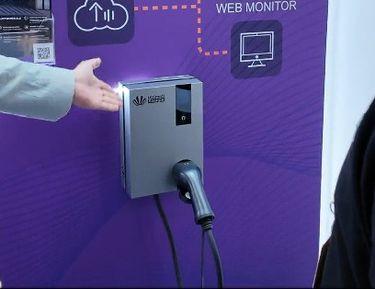
How to Find the Best Wallbox for You: Practical Tips and a Guide to Smart Tools
As electric vehicles become more popular, the demand for efficient and reliable home charging infrastructure continues to grow. For car owners who want to charge their EVs at home, one key question arises: Which Wallbox should I buy? What should you pay attention to when purchasing and installing a Wallbox? This article provides practical advice and introduces smart tools to help you make the best decision.
Why Installing a Wallbox at Home Is a Smart Choice
More Comfortable and Safer Charging
Using a Wallbox to charge your electric vehicle is safer and more convenient than using a standard household socket. Wallboxes provide higher charging power and are equipped with overload and short-circuit protection devices, ensuring a faster and more stable charging process.
Efficient Charging Saves Costs
With your own Wallbox, you can flexibly set charging times. Especially when the Wallbox is combined with a smart home energy management system or solar storage system, you can directly use surplus solar power, significantly reducing electricity costs. For those who wish to charge their EVs at home, this is the best way to achieve high efficiency and energy savings.
Key Factors to Consider When Purchasing a Wallbox
Power and Charging Speed
The power rating of a Wallbox determines the charging speed. Common models include 3.7kW, 7.4kW, and 11kW. If you own a large-capacity electric vehicle or plan to charge multiple cars, a higher-power model is recommended.
Connector Type and Compatibility
Not all Wallboxes are compatible with all vehicle models. Before purchasing, check your EV’s connector type and ensure the Wallbox supports it. Choosing the right device ensures smooth and worry-free home charging.
Smart Features and Connectivity
Modern Wallboxes can seamlessly integrate with smart home systems. You can automatically set charging times, view energy consumption data, or directly utilize solar power. Connecting the Wallbox to a smart energy management system can significantly improve overall energy efficiency.
Which Wallbox Is Right for You?
Questions to Ask Before Purchasing
To help you make an informed decision, consider the following:
- How much charging power does my vehicle require?
- Do I need a portable or fixed Wallbox?
- Do I want my Wallbox to integrate with solar or battery storage systems?
- What is my budget, and are there government subsidies available?
Answering these questions will help determine which Wallbox best fits your household needs.
Types of Wallboxes
- Standard Wallbox: Suitable for daily home charging
- High-Power Wallbox: Ideal for large EVs or dual-parking installations
- Smart Wallbox: Equipped with app control, load management and network connectivity
When purchasing, it’s also wise to consider future needs. Modular Wallboxes allow for easy upgrades later—such as integration with smart energy systems or connection to solar generation units.
Key Points for Installing a Home Wallbox
Professional Installation Ensures Safety
Wallbox installation should always be carried out by a qualified electrician. When purchasing and installing, professionals ensure compliance with all safety standards and complete wiring, protection, and commissioning work.
Choosing the Installation Location
Select a spot close to your parking space and easily connected to the power supply. Consider environmental factors such as sunlight and rain protection. The ideal installation site should not only make daily charging convenient but also enhance overall safety.
Cable Management and Accessories
Many Wallboxes come with cable storage or flexible cable management solutions, keeping your charging area tidy and safe. If you own multiple vehicles, choose accessories that support dual-vehicle charging.
Practical Tips for Reducing Charging Costs
Take Advantage of Government Subsidies
Germany and other European countries offer various subsidy programs for home Wallboxes. Applying for these incentives can significantly reduce purchase costs.
Schedule Charging Smartly
Integrating your Wallbox with a smart home energy management system or timer allows you to charge during off-peak hours or when self-generated electricity is available—effectively lowering electricity expenses.
Combine Solar and Storage Systems
If you have a solar energy storage system, you can store surplus daytime electricity for nighttime EV charging. This not only enhances energy independence but also saves costs in the long run.
Useful Tools for Choosing the Right Wallbox
Online Calculators and Comparison Platforms
Many manufacturers provide online tools to help you determine which Wallbox suits your home best. Simply enter your vehicle model, power needs, installation environment, and budget to quickly receive tailored recommendations.
Smart Apps and Home Integration
Modern Wallboxes often come with companion apps that allow real-time monitoring of the charging process. Some systems can even automatically calculate the most economical charging times and integrate seamlessly with existing solar or battery storage systems to maximize energy utilization.
Professional Consultation Services
In addition to online tools, you can also seek advice from energy consultants or electrical installation experts. If your home has multiple vehicles or a complex energy setup, professional guidance is especially valuable.
Conclusion
For anyone looking to charge an electric vehicle at home, purchasing a Wallbox is undoubtedly a wise investment. It is not only safe and efficient but can also integrate seamlessly with solar storage and smart home energy management systems.
By focusing on key aspects such as power, connector type, smart features, installation location, and build quality, you can find the most suitable solution. With the help of practical tools, subsidy programs, and expert advice, your decision becomes much easier.
If you wish to build a more efficient and future-ready home charging system, Ultimati Energie offers customized solutions—including Wallboxes, battery storage, and smart energy management systems—to make your home EV charging more comfortable, economical, and sustainable.

Ultimati Energie Deutschland GmbH is a Germany-based B2B energy storage system provider specializing in scalable residential and C&I battery storage solutions for European partners.
Become a Partner
Sales: +49 1624886367
Customer Support:
+49 15226994869
Address: Ober der Röth 4, 65824 Schwalbach am Taunus, Germany
Copyright © 2026 Ultimati Energie Deutschland GmbH All rights reserved.