

How to Choose a Home Battery Storage System: Find the Most Suitable Capacity
As the demand for energy independence continues to grow, home battery storage systems allow homeowners to store surplus electricity generated by photovoltaics and use it when needed. But before choosing a specific model, there are several key questions worth considering: How large should a home battery storage system be? Which factors influence the cost of energy storage? This article provides a comprehensive guide on how to choose the right storage system.
Why Home Battery Storage Systems Are Necessary
Home battery storage systems offer numerous advantages, with one of the most important being the ability to use the electricity you generate. Surplus photovoltaic electricity does not need to be fed into the grid—it can be stored and used later. This not only reduces long-term electricity costs but also decreases dependence on continuously rising energy prices.
In addition, battery storage contributes to sustainability. Effectively storing solar energy increases utilization and reduces household carbon emissions. For many homeowners, this is an important reason to invest in a storage system.
Battery Storage Can Bring Long-Term Savings
Battery storage costs vary depending on capacity and technology, but in the long run, it is a worthwhile investment: by using stored solar energy, you can reduce the need to purchase electricity from the grid. When combined with a photovoltaic system, the payback period is often just a few years. The capacity, efficiency and lifespan of the storage system all play key roles in its economic value.
Enhancing Energy Independence
Home battery storage systems help households better cope with power outages. Especially in rural or unstable-grid areas, storage systems offer additional security. Even for homes that frequently rely on grid electricity, installing a storage system can significantly reduce this dependence.
How Large Should a Home Battery Storage System Be?
There is no one-size-fits-all answer to the question, “How large should a home battery storage system be?” It depends on several factors:
Household Electricity Consumption
Start by considering your household’s annual electricity use. A typical four-person household consumes 3,500–5,000 kWh per year. The storage capacity must match consumption. A system that is too small may fail to store surplus electricity, while a system that is too large results in unnecessary costs.
PV System Size and Self-Consumption Ratio
The size of your photovoltaic system also affects the storage capacity needed. If your PV yields are high, a larger storage system is recommended to increase self-consumption. A system that is too small may not be able to store all surplus electricity.
Daytime and Nighttime Usage Patterns
Another factor is when you use electricity. If evening consumption is high, you should choose a storage system capable of supplying power throughout the night. Storage charging/discharging power is also important—it determines whether the system can deliver electricity quickly enough during peak demand.
Types of Battery Storage and Their Differences
Home energy storage systems use different technologies, with lithium-ion and lead-acid batteries being the most common.
Lithium-Ion Battery Storage
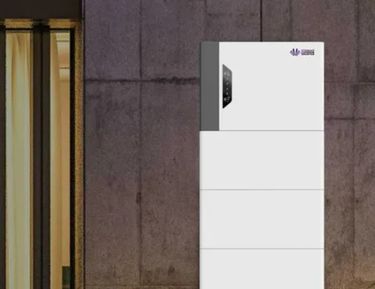
Lithium-ion systems are efficient, long-lasting, compact, and flexible to install. For example, the RE-HA1 from Ultimati Energie features a modular design with up to 12 kW output power and a capacity range of 7.6–22.7 kWh. It requires minimal space and can be expanded as needed. Although lithium-ion batteries cost more, their efficiency and long lifespan result in a faster return on investment.
Lead-Acid Battery Storage
Lead-acid batteries are more affordable but have shorter lifespans, lower efficiency, larger footprints, and heavier weight. They remain an economical choice for small households or occasional use scenarios.
Hybrid Storage Solutions
Hybrid storage systems combine the strengths of multiple technologies and offer a balance between cost, capacity, and lifespan. If you want maximum flexibility, hybrid solutions are worth considering.
Factors Affecting Storage System Costs
The cost of a storage system is influenced by more than capacity alone:
Capacity and Power
Larger capacities cost more; a 10 kWh system is more expensive than a 5 kWh system but covers more self-consumption. Likewise, higher discharge power increases cost.
Technology and Quality
As noted, lithium-ion batteries are more efficient and longer lasting, so their purchase cost is higher. However, quality and reliability are crucial for long-term use.
Installation and Maintenance
Beyond purchase costs, installation fees must also be considered. Professional installation is essential for safety and optimal performance. Additionally, maintenance costs should be factored in to maximize the system’s lifespan.
How to Choose the Right Storage Capacity
Use the following steps to determine the ideal capacity:
Step 1: Analyze Household Electricity Consumption
Identify your average electricity usage. Check when electricity is consumed and how much your PV system can cover.
Step 2: Review PV Generation
Consider how much energy your solar system produces. The storage system should be large enough to store the surplus solar energy.
Step 3: Calculate Storage Capacity
A general rule of thumb: for a four-person household with a 6 kWp PV system, the ideal storage capacity is usually between 8 and 12 kWh. Consider both daytime and nighttime electricity usage.
Step 4: Consider Future Needs
Think about future changes—if electricity consumption increases due to electric vehicles or new appliances, the storage capacity should increase accordingly. A system that is too small may no longer meet your needs after a few years.
Tips for Optimizing Self-Consumption
Besides choosing the right storage capacity, here are ways to maximize self-consumption:
Smart Management
Modern storage systems intelligently schedule charging when solar energy is available and discharging when needed, increasing efficiency. Smart controls optimize charging/discharging based on sunlight and demand.
Household Load Management
Running appliances like washing machines or dishwashers during the daytime increases PV self-consumption and reduces the storage cost per kWh. Adjusting appliance usage to PV generation times also helps boost self-consumption.
Integrating Heat Pumps or Electric Vehicles
Using storage with heat pumps or EVs can further increase self-consumption. Surplus energy can be used directly, reducing additional energy costs.
Frequently Asked Questions About Home Storage
How large should a home storage system be?
The ideal capacity depends on electricity consumption, PV array size and desired energy independence. For most households, 8–12 kWh is typical.
How much does a storage system cost?
Costs vary greatly: small systems start at around €5,000, while larger ones can reach €12,000 or more. However, long-term savings from increased self-consumption make it a worthwhile investment.
Is a storage system suitable for every household?
Not every home benefits equally. Homes with low PV generation or very low self-consumption should evaluate cost-effectiveness carefully. In many cases, storage is especially beneficial when combined with photovoltaics.
What is the lifespan of a storage system?
Lithium-ion batteries last 10–15 years, while lead-acid batteries have shorter lifespans. Regular maintenance and optimized usage can extend their service life.
Conclusion: How to Find the Right Storage System
The ideal home battery storage system depends on your energy consumption, PV system size and desired level of energy independence. Carefully comparing storage costs and required capacity helps you save on electricity bills long-term, increase self-consumption and improve the overall efficiency of your solar system.
If you’re looking for professional, modular and durable storage solutions, Ultimati Energie offers reliable systems suitable for private homes, small businesses and decentralized storage projects.

Ultimati Energie Deutschland GmbH is a Germany-based B2B energy storage system provider specializing in scalable residential and C&I battery storage solutions for European partners.
Become a Partner
Sales: +49 1624886367
Customer Support:
+49 15226994869
Address: Ober der Röth 4, 65824 Schwalbach am Taunus, Germany
Copyright © 2026 Ultimati Energie Deutschland GmbH All rights reserved.