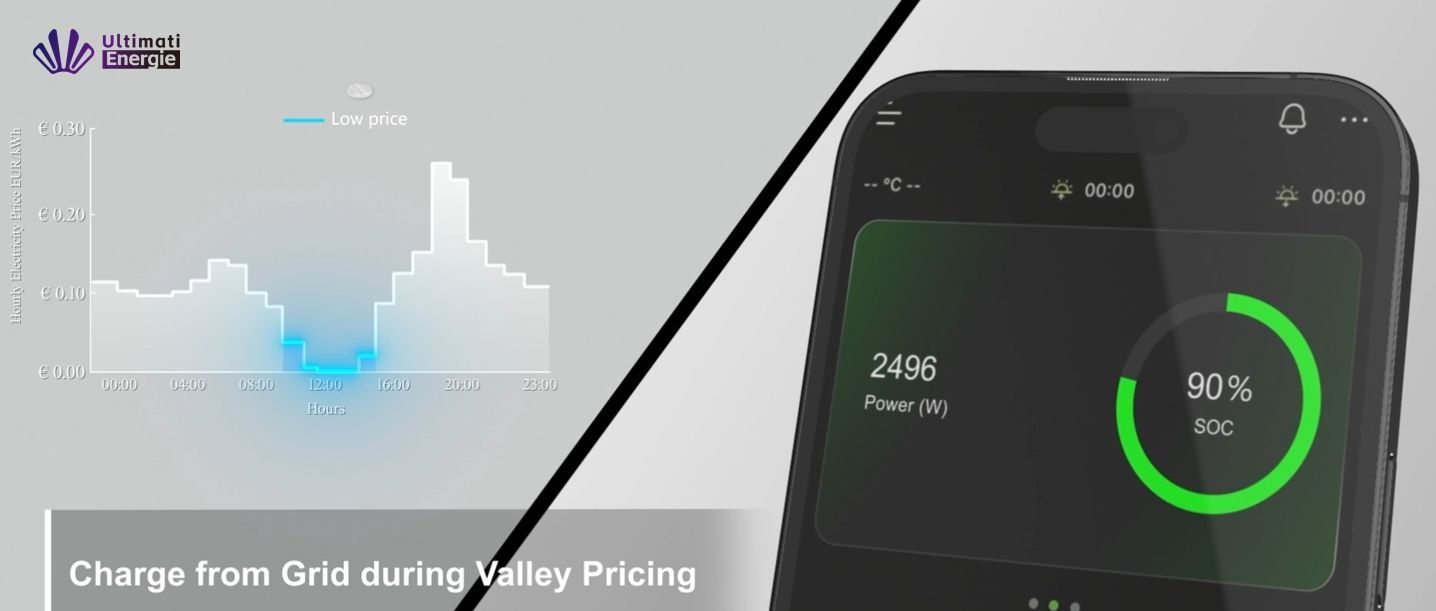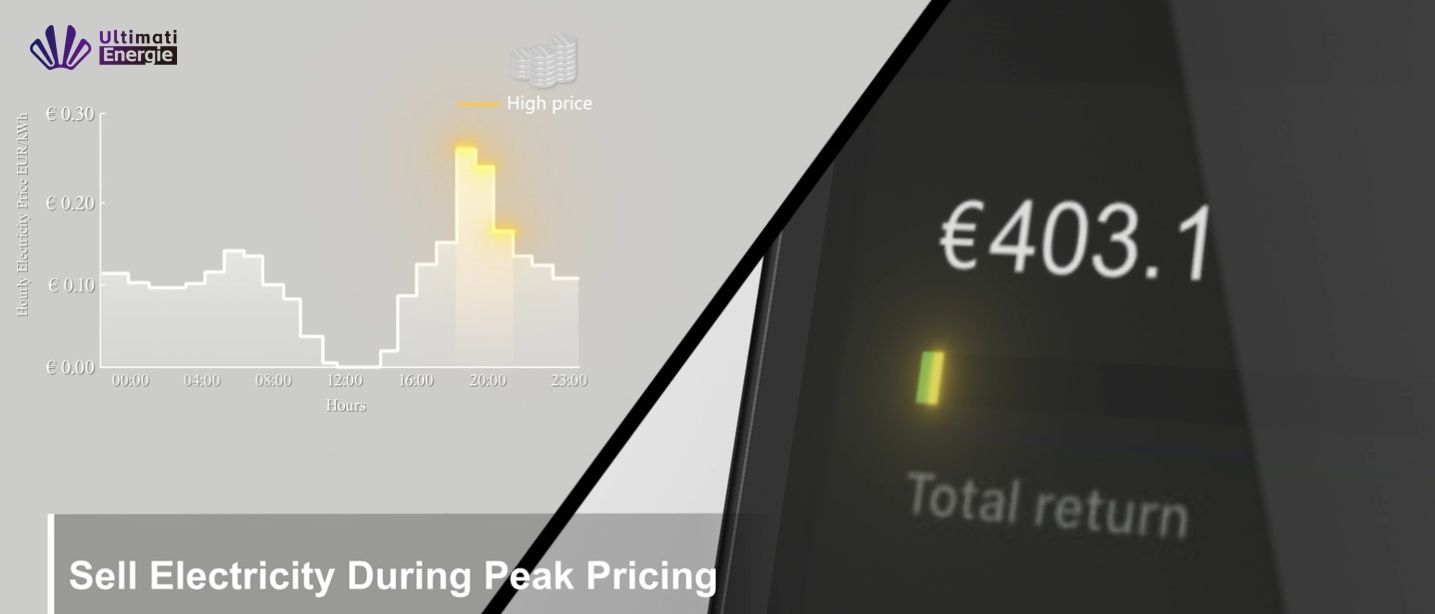


In today’s energy market, when you use electricity can be just as important as how much you use. Many European households are now facing dynamic electricity pricing, where the cost per kilowatt-hour changes depending on the time of day. This system—called Time-of-Use (TOU) tariffs—means your electricity could be cheaper at night and more expensive during peak evening hours.
So how do you make the most of it?
This is where smart battery systems come into play. By storing energy when it's cheap and using or selling it when it's expensive, you can take control of your energy bills. In this article, we’ll explain how TOU tariffs work and how UltiHome’s TOU Eco Mode can help homeowners and professionals alike optimize savings—without the guesswork.
What Are Time-of-Use (TOU) Tariffs?
Time-of-Use (TOU) tariffs, also known as TOU rates, are electricity pricing models where the cost per kilowatt-hour changes depending on the time of day. Instead of a flat rate, you pay more during high-demand hours and less when demand is low.
This pricing structure is becoming increasingly common across Europe—including Germany, the UK, France, and Italy—as utilities aim to encourage more balanced electricity usage and reduce peak strain on the grid.
How Does TOU Pricing Work?
Electricity providers divide the day into different pricing bands. A typical TOU schedule looks like this:
Time of Day | Rate Type | Price Level |
11:00 pm – 6:00 am | Off-Peak | Lowest price |
9:00 am – 5:00 pm | Mid-Peak | Moderate price |
5:00 pm – 9:00 pm | Peak Hours | Highest price |
Some providers offer even more granularity—such as a Super Off-Peak period in the early morning—designed to reward charging electric vehicles or batteries when grid demand is lowest.
Why Does It Exist?
TOU tariffs help:
- Shift electricity use away from peak periods (e.g., evenings)
- Reduce strain on the grid during high-demand hours
- Encourage cleaner, cheaper energy usage during low-demand times
To take advantage of TOU pricing, most energy providers require a smart meter. This device automatically records how much electricity you use—and when—so that billing reflects your real-time usage pattern.
By understanding how TOU tariffs work, you can start planning smarter energy habits—or even better, let your battery system do it for you.
Why TOU Tariffs Matter for Homeowners and Businesses
For homeowners and businesses alike, electricity costs are no longer determined solely by how much energy you consume, but increasingly by when you consume it. Time-of-Use (TOU) tariffs introduce both a challenge and an opportunity: your energy bill can vary significantly depending on your daily usage patterns.
Understanding TOU tariffs allows you to adjust energy usage to match pricing trends—or better yet, automate that process with a smart battery system. Here’s how TOU tariffs affect different types of energy users:
For Homeowners
Many households consume the most energy during the early morning and evening hours—exactly when electricity is most expensive under TOU tariffs. This includes:
- Running washing machines and dishwashers
- Using electric heating or air conditioning
- Charging electric vehicles
- Cooking or entertainment after work hours
If you rely solely on grid power, these habits can result in higher monthly costs. However, if you have a battery storage system, you can charge it at night during off-peak hours and use that cheaper energy when prices rise the next day. Even better, if you have a solar system, you can store excess daytime production instead of sending it to the grid at low feed-in tariffs.
With the right setup, TOU tariffs can help households:
- Significantly reduce energy bills
- Improve self-consumption of solar energy
- Gain partial independence from rising electricity prices
For Businesses
Small and medium-sized enterprises (SMEs) can also benefit from TOU optimization, especially if they operate during daytime or peak hours. Energy-intensive processes such as refrigeration, air conditioning, charging electric fleets, or machinery operation can become expensive under TOU pricing.
Businesses that install battery systems can:
- Shift power usage to off-peak periods
- Stabilize operational costs
- Reduce exposure to price spikes
- Benefit from incentives in markets that reward grid-friendly behavior
Moreover, for commercial properties with on-site solar generation, combining PV with TOU scheduling creates a powerful cost-saving opportunity—especially when energy demand and solar production overlap during mid-rate hours.
In both residential and commercial settings, understanding TOU tariffs empowers users to make strategic energy decisions. And when paired with a smart battery and energy management app, those decisions become automatic and optimized for cost-efficiency.
How Smart Batteries Maximize TOU Savings
Smart battery systems are the key to unlocking the full financial benefit of Time-of-Use (TOU) tariffs. Unlike traditional energy setups that rely solely on real-time grid electricity, smart batteries allow you to store energy when it’s cheap and use it when it's most expensive. This strategy not only reduces your utility bills but also gives you greater control over your energy consumption.
Charge Low, Use High
With TOU tariffs, electricity is often cheapest at night or early in the morning. A smart battery system automatically charges during these low-rate periods—either using your own solar energy or low-cost grid electricity. When demand spikes in the evening and prices go up, your battery discharges to cover household or business energy needs, bypassing expensive grid power.
This cycle—charge during off-peak, discharge during peak—can repeat daily without user input, maximizing savings with minimal effort.
Integration with Energy Management Apps
Modern battery systems like those offered by Ultimati Energie come equipped with intelligent software tools such as the UltiHome Energy Management App. These platforms allow for:
- Automated scheduling based on local TOU pricing
- Real-time monitoring of energy flow
- Customizable settings to prioritize savings or self-consumption
- Remote adjustments for changing usage patterns
For example, UltiHome’s TOU Eco Mode allows users to fully automate battery charging and discharging schedules to align with time-based electricity rates. This ensures that your system is always working in the most cost-effective way possible, even if prices or your usage habits shift.