

What Is the Difference Between a Hybrid Inverter and a Normal Inverter?
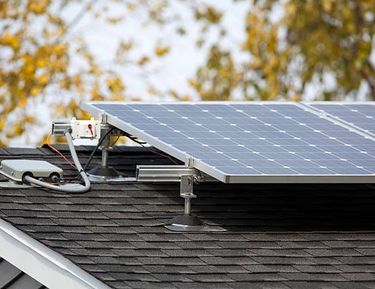
Choosing the right inverter is one of the most important decisions when planning a solar energy system. Inverters convert the DC electricity from your solar panels into usable AC power—but not all inverters work the same way. Some offer simple conversion, while others provide backup power, battery support, and smart energy management.
This article explains the key differences between a hybrid inverter and a normal (string) inverter, helping you understand which type better suits your energy needs, budget, and long-term goals.
What Is a Normal (String) Inverter?
A traditional or “string” inverter is the most common type used in grid-connected solar systems. It converts the DC electricity from your solar panels into AC power for home use or export to the grid.
Key Features:
- Works only when the grid is active
- Does not support batteries or energy storage
- Simple, cost-effective, and easy to install
- Widely used and reliable for residential and small business applications
This type of inverter is ideal for users focused on feeding excess solar energy back into the grid without needing storage or backup power.
What Is a Hybrid Inverter?
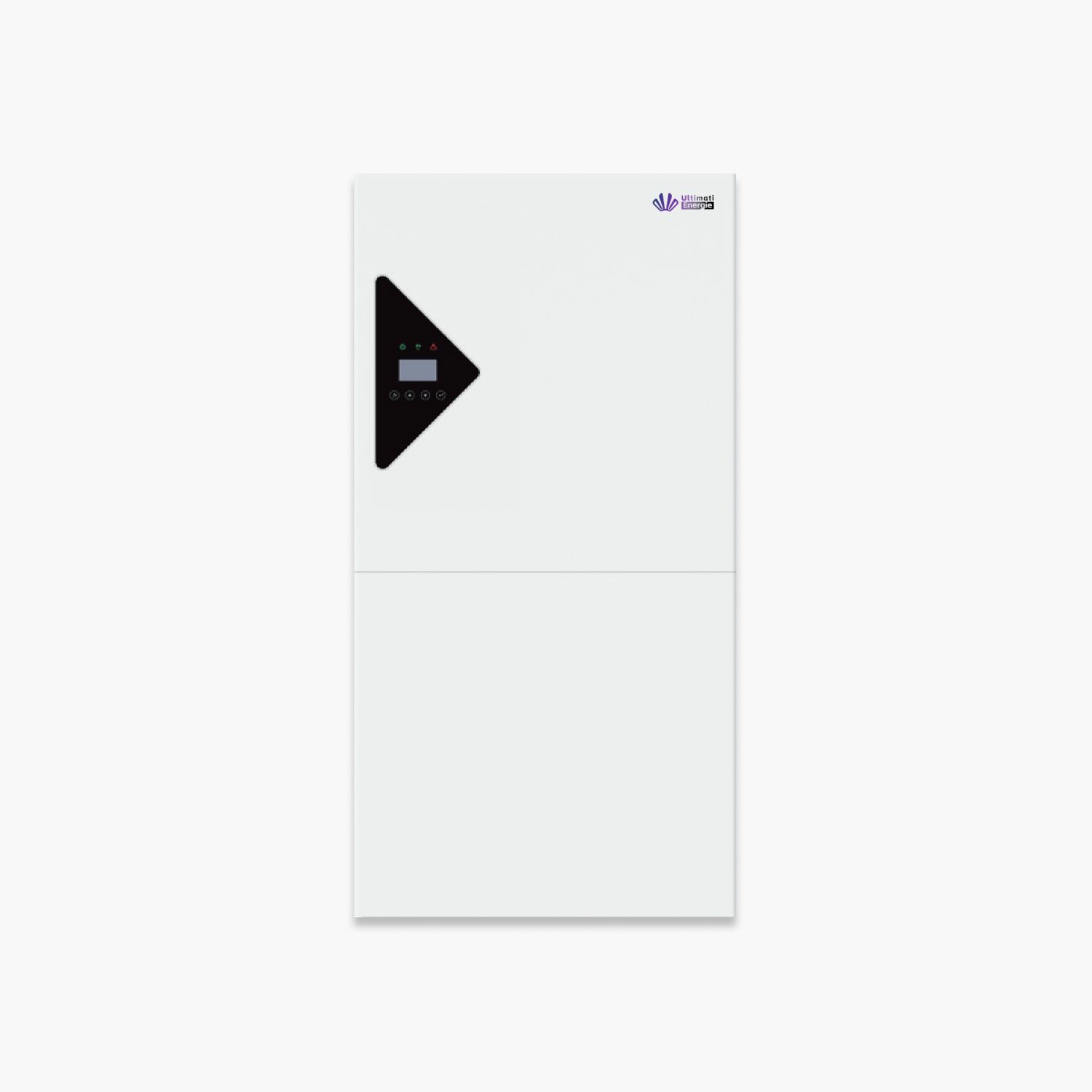
A hybrid inverter combines the functions of a solar inverter, battery inverter, and charge controller in one unit. It allows you to use solar energy directly, charge and discharge a battery, and provide backup power during grid outages.
Key Features:
- Supports on-grid, off-grid, and hybrid operation
- Works with both solar panels and battery storage
- Enables greater energy independence and self-consumption
- Includes smart energy management, such as prioritizing loads, scheduling battery use, and optimizing overall system performance
These inverters are ideal for those seeking flexibility, future battery expansion, and resilience against grid instability.
6 Key Differences Between a Hybrid Inverter and a Normal Inverter
Choosing between a hybrid inverter and a normal (string) inverter depends on your system goals, energy habits, and future expansion plans. Below, we compare their core differences in detail.
1. Battery Support
A normal inverter cannot connect to a battery system. It’s designed only to convert solar-generated DC power into AC for immediate use or export to the grid. Once the sun sets, homes must draw electricity from the grid.
Hybrid inverters, by contrast, are battery-ready. They integrate a charge controller and battery interface, allowing you to store excess solar energy and use it later. This enables energy storage, nighttime usage, and backup power.
2. Off-Grid Capability
Normal inverters depend entirely on the power grid. If the grid goes down, even during daylight, your system shuts off for safety reasons (anti-islanding protection).
Hybrid inverters, however, can continue operating even when the grid is offline. Most come with UPS (uninterruptible power supply) features, keeping essential loads running during blackouts—ideal for rural areas or mission-critical systems.
3. System Efficiency and Smart Controls
Traditional inverters perform basic DC-AC conversion. They lack integrated intelligence to prioritize energy use or optimize battery interaction.
Hybrid inverters often feature smart energy management, such as load prioritization, peak shaving, and real-time control of where solar energy goes—home usage, battery, or grid. This leads to higher self-consumption rates and better system efficiency.
4. Scalability and Future Readiness
Most standard inverters have fixed functionality. If you later want to add battery storage, you'll typically need an additional battery inverter or a complete system upgrade.
Hybrid inverters are designed with expansion in mind. Many allow modular battery additions and can adapt to smart home integration or EV chargers, making them future-proof for evolving energy needs.
5. Cost and Long-Term Value
Normal inverters usually cost less upfront and suit projects with limited budgets or no interest in energy storage.
Hybrid inverters are more expensive initially but offer better long-term return on investment due to lower electricity bills, increased self-consumption, and potential grid relief incentives in some countries.
6. Protection and Reliability (Bonus)
Many hybrid inverters include advanced protection features like IP65/IP66 ratings, passive cooling, and real-time diagnostics. While not exclusive to hybrid types, these enhancements often appear in higher-end models and contribute to long-term reliability.
Summary Comparison Table
Feature | Normal Inverter | Hybrid Inverter |
Battery Support | ❌ Not supported | ✅ Built-in interface |
Off-Grid Capability | ❌ Grid-dependent | ✅ Backup mode (UPS) |
Energy Management | Basic | Smart controls, automation |
System Efficiency | Standard | Higher self-consumption |
Scalability | Limited | Modular, battery-ready |
Initial Cost | Lower | Higher |
Long-Term ROI | Moderate | Higher |
Durability | Varies | Often enhanced (IP-rated)* |
*Note: Durability features vary by model and brand, not inverter type alone.
Which One Should You Choose? Hybrid Inverter or Normal Inverter
There is no one-size-fits-all answer. The right inverter depends on your energy goals, budget, and how much flexibility you want for the future. Here’s how to decide which system type fits your needs best:
Choose a normal (string) inverter if:
You're planning a basic grid-tied solar system and don’t need energy storage or backup functionality. This option is best for those who:
- Want a lower upfront investment
- Intend to export most solar energy to the grid
- Have stable grid access and low concern about power outages
- Don't plan to add batteries or EV chargers in the near future
This type is ideal for cost-sensitive projects or customers focused purely on solar feed-in.
Choose a hybrid inverter if:
You want to maximize self-consumption, gain backup capability, or prepare for future energy independence. A hybrid inverter is a smart investment if you:
- Want to store solar power in batteries for night use or outages
- Need a UPS function to keep essential loads running during blackouts
- Are planning for EV charging, time-of-use tariffs, or battery expansion
- Aim to reduce grid reliance over time and take advantage of evolving incentives
This solution suits households, businesses, or projects aiming for long-term flexibility and autonomy.
Conclusion: Think Beyond Today’s Needs
The main difference between a hybrid inverter and a normal inverter lies in functionality and future readiness. While traditional inverters are simple and effective for grid-tied systems, hybrid inverters offer greater flexibility, energy security, and long-term value.
At Ultimati Energie, we offer reliable inverter solutions tailored to your project needs—whether you're building a basic grid-connected system or a fully integrated energy setup with storage and smart management.
Contact us today to get expert advice on choosing the right inverter for your solar energy system.

Ultimati Energie Deutschland GmbH is a Germany-based B2B energy storage system provider specializing in scalable residential and C&I battery storage solutions for European partners.
Become a Partner
Sales: +49 1624886367
Customer Support:
+49 15226994869
Address: Ober der Röth 4, 65824 Schwalbach am Taunus, Germany
Copyright © 2026 Ultimati Energie Deutschland GmbH All rights reserved.