

Where Should a Battery Storage System Not Be Installed?
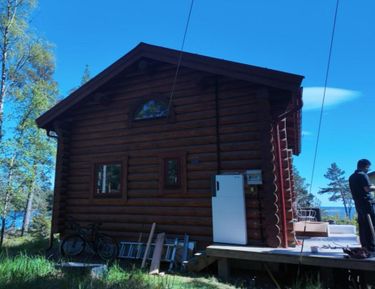
Where a battery storage system is installed plays a key role in its safety, performance, and long-term reliability. Incorrect installation locations such as uninsulated garages, boiler rooms, or poorly ventilated spaces may lead to overheating, performance loss, or increased safety risks.
With proper planning and VDE-compliant installation practices, installers can help homeowners achieve safe, reliable, and long-lasting residential battery storage operation.
This article explains which installation locations are generally not recommended and provides practical guidance for designing safe and reliable battery storage systems that meet modern installation standards and build customer trust.
Why Is the Installation Location of Battery Storage So Important?
Selecting the right installation location is essential for the safe and efficient operation of battery storage systems. An incorrect location can impair performance, shorten lifespan, or cause safety risks such as fires. Therefore, as an energy storage system installer, you should consider specific technical and regulatory requirements.
Technical Requirements
Battery storage systems perform optimally at stable ambient temperatures, typically between 15°C and 25°C. Exposure to high temperatures or frequent temperature fluctuations can accelerate battery aging and reduce overall system efficiency.
In addition, adequate ventilation is required to ensure proper heat dissipation during charging and discharging cycles. Enclosed or poorly ventilated spaces may lead to heat accumulation and are therefore generally not recommended for battery storage installation.
Safety Aspects
Installation location also plays a critical role in system safety. Areas located near flammable materials, such as fuel storage or chemical substances, should be avoided due to increased fire risk.
Equally important is ensuring sufficient accessibility for maintenance and emergency shutdown procedures. Inaccessible or confined installation spaces can delay response times in critical situations.
For example, installing a battery storage system in a poorly ventilated boiler room may expose the system to elevated ambient temperatures and increase thermal stress under continuous operation.
Regulatory Requirements
In Germany, installation practices for battery storage systems are guided by standards such as VDE-AR-E 2510-2 and related VDE application guidelines for stationary energy storage systems.
These standards define requirements for:
- installation environment suitability
- fire protection measures
- electrical safety
- system accessibility and spacing
In addition, insurance providers may require compliance with these standards as part of risk assessment and coverage conditions. Ensuring compliant installation not only improves system safety but also reduces liability risks for installers and system operators.
Unsuitable Battery Storage Installation Locations
Choosing the wrong location for battery storage can lead to performance losses, accelerated battery aging, and increased safety risks. Some locations are generally not recommended because they often fail to meet key technical, thermal, ventilation, or fire protection requirements.
Below are common installation locations that should be carefully assessed or avoided when planning a safe and reliable battery storage system.
Boiler Rooms in Basements
Boiler rooms in basements are often exposed to elevated ambient temperatures, especially when battery storage systems are installed close to heating equipment, gas boilers, or hot water systems. Temperatures may exceed the recommended operating range, particularly in poorly ventilated rooms.
This can increase thermal stress, reduce battery efficiency, shorten service life, and affect long-term system reliability.
For example, a battery storage unit installed next to a gas boiler may be exposed to continuous heat, causing faster capacity loss and reducing the expected lifespan of the system.
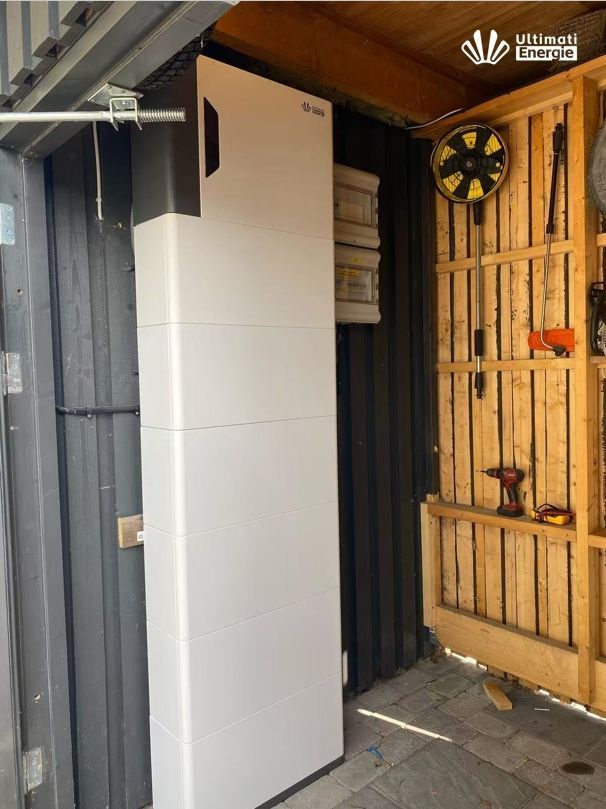
Garages
Garages are generally not recommended unless they are insulated, well ventilated, and properly designed for battery storage installation. Many garages experience significant temperature fluctuations, with high temperatures in summer and low temperatures in winter.
In addition, flammable materials such as petrol, paint, solvents, or cleaning chemicals are often stored in garages, which can increase fire safety risks. Some garages may also lack fire-resistant separation, sufficient clearance, or compliant electrical infrastructure.
For example, a battery storage system installed in an uninsulated garage may suffer from repeated heat exposure in summer and cold stress in winter, while nearby flammable materials can further increase installation risks.
Uninsulated Attics
Uninsulated attics are generally not recommended for battery storage systems due to extreme seasonal temperature variations. In summer, attic temperatures can rise well above the recommended operating range, while winter conditions may lead to low-temperature stress. These fluctuations can reduce system efficiency, accelerate battery aging, and impact long-term reliability.
In addition, limited accessibility in attic spaces can make maintenance, inspection, and emergency intervention more difficult, which further affects overall installation suitability.
While attic environments are typically considered unsuitable under standard installation conditions, certain projects may still be feasible when specific technical and structural requirements are met.
In a residential project in Uppsala, Sweden, the homeowner aimed to increase solar self-consumption without occupying valuable living space, garage, or utility room areas. Based on technical assessment and installer guidance, a high-voltage battery storage system (RESS-RE-HA1) was installed in the attic, with integration into the home’s electrical system and a layout designed to support efficient space utilization.
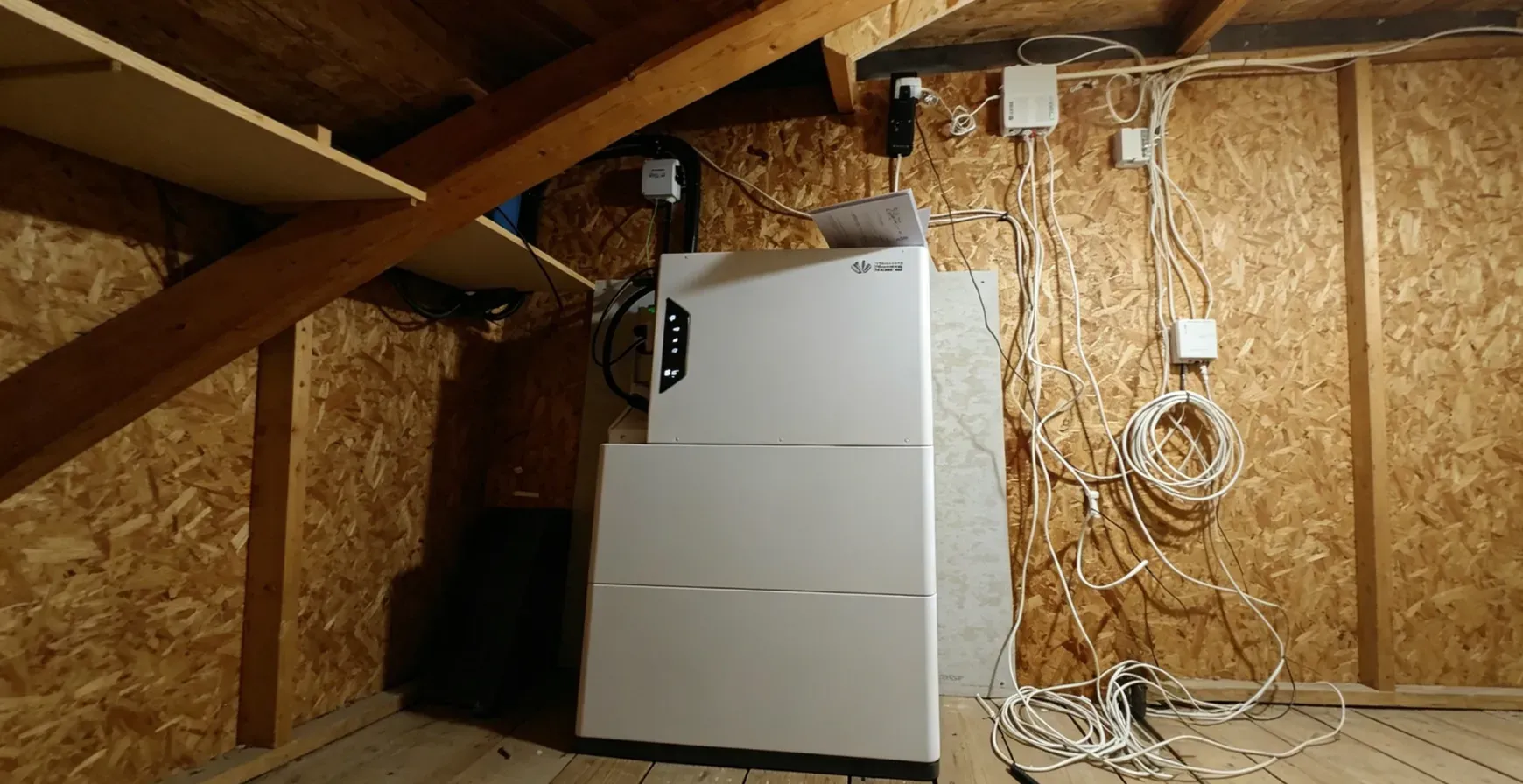
This does not mean that all attic installations are suitable. It shows that attic installation may be considered only when thermal conditions, accessibility, structural suitability, and manufacturer requirements are carefully assessed.
Garden Sheds or Outbuildings
Garden sheds and outbuildings are generally not suitable for battery storage installation unless they are specifically designed as compliant technical spaces. These structures often lack stable temperatures, adequate ventilation, fire protection, moisture control, and secure mounting surfaces.
Electrical connections may also fail to meet the requirements for safe battery storage operation. Moisture, dust, and temperature fluctuations can increase the risk of corrosion, short circuits, and system malfunction.
For example, a battery storage unit installed in a garden shed without ventilation, insulation, or fire protection may be exposed to moisture damage, unstable operating conditions, and reduced system safety.
Recommended Installation Locations
To ensure the safety, efficiency, and lifespan of battery storage, choose locations that offer optimal conditions and meet safety standards. The following locations are generally recommended for residential energy storage systems.
Dedicated Technical Rooms
A dedicated technical room is the most suitable location for a home battery storage system, especially in new residential buildings.
It typically provides:
- stable indoor temperature conditions (15–25 °C)
- sufficient ventilation
- dedicated space for electrical equipment
- easy access for maintenance and monitoring
This environment helps ensure safe operation, long-term reliability, and compliance with common residential installation guidelines.
For example, a dedicated technical room with proper airflow, fire separation, and a solid floor surface offers an ideal setting for a residential battery storage system.
Utility Rooms
Utility rooms are the most common installation location for home battery storage systems in existing houses.
They offer:
- stable indoor conditions
- short connection paths to the home electrical system
- convenient access for inspection and maintenance
When properly ventilated and free from excessive heat sources, utility rooms provide a practical and safe solution for residential installations.
Basements
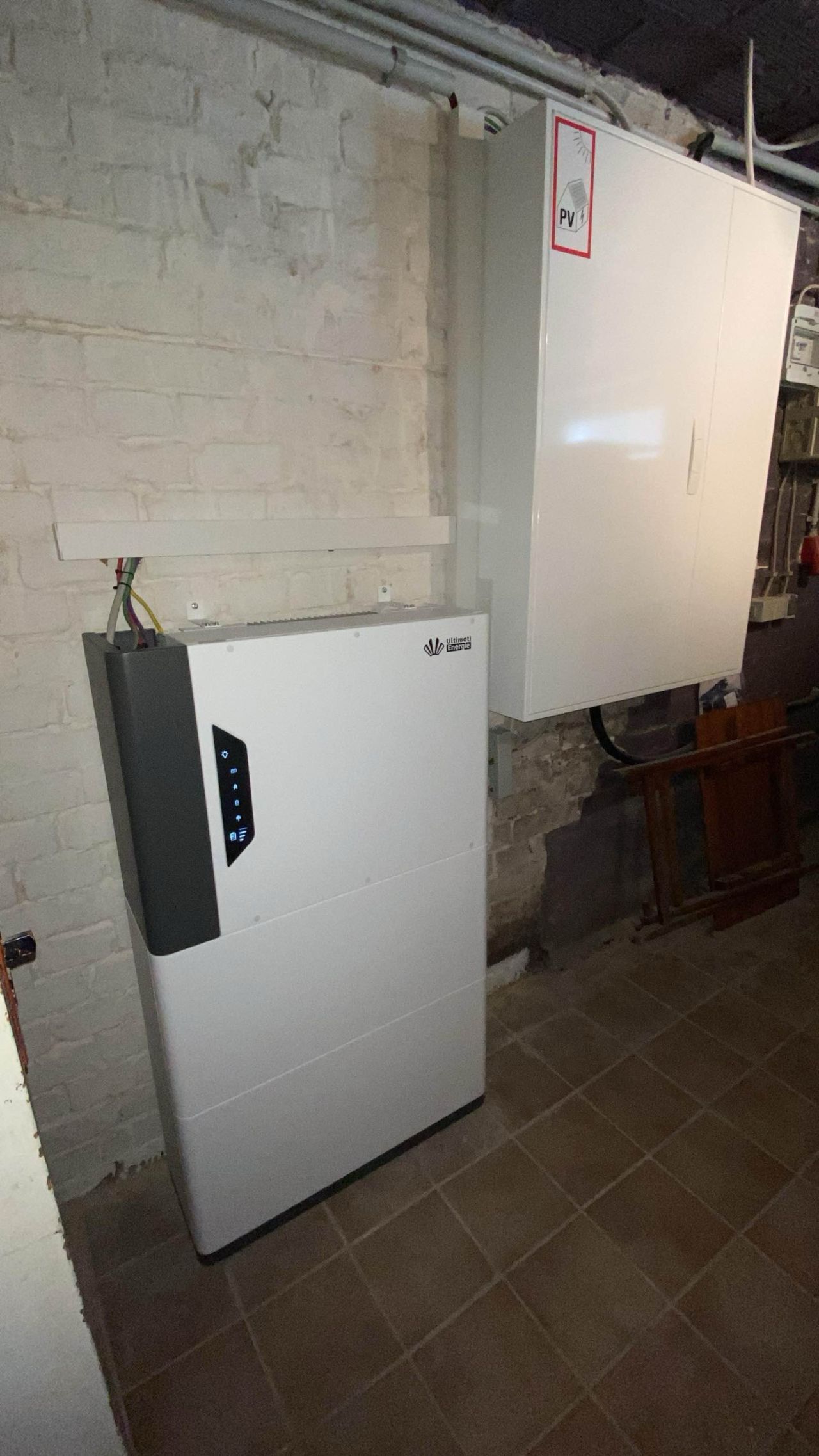
Basements can also be suitable locations for home battery storage systems, provided that humidity, ventilation, and temperature stability are properly controlled. In many homes, basements already contain heating, water, or storage equipment, leaving limited available space for additional systems.
In a residential project in Frankfurt, Germany, the homeowner wanted to increase solar self-consumption despite limited indoor space. After technical evaluation, the battery storage system was installed in the basement and integrated into the existing home electrical system with a compact, space-efficient layout.
Key advantages of basements include:
- naturally stable temperatures
- protection from external weather conditions
- sufficient structural load capacity
However, humidity control, ventilation, and installation clearance must always be considered to ensure safe long-term operation.
Key Installation Requirements
To ensure safe and compliant operation of home battery storage systems, the following conditions should always be considered:
- Stable Environment: Indoor location with moderate temperature range
- Ventilation: Adequate airflow to prevent heat accumulation
- Moisture Control: Especially important for basements
- Accessibility: Easy access for maintenance and system inspection
Practical Tips for Consultation and Installation
Proper installation of battery storage and clear customer consultation are essential to ensure safety, efficiency, and lifespan. The following tips will help you select the right installation location, minimize risks, and demonstrate your expertise to customers.
Pre-Installation Location Check
Use a checklist to evaluate potential locations:
✅ Is the room dry and free from moisture?
✅ Is the temperature stable between 15–25 °C?
✅ Is there sufficient ventilation according to the manufacturer’s installation requirements(e.g., at least 1 m² of ventilation area)?
✅ Is there enough clearance for installation, inspection, and maintenance (at least 60 cm clearance)?
✅ Are there no flammable materials nearby?
For example, measure ventilation in a technical room with an anemometer to ensure it meets manufacturer specifications.
Customer Consultation Points
When advising homeowners, installers should explain installation risks in practical terms:
- Stable indoor temperatures help protect battery performance and service life.
- Garages may expose the battery to seasonal temperature fluctuations and stored flammable materials.
- Utility rooms or technical rooms often provide safer access, better ventilation, and more predictable operating conditions.
Planning Technical Rooms as an Added Value
Offer consultation on setting up a technical room, especially for new builds or renovations. Coordinate electrical and fire protection requirements and consider future expansions, such as additional storage or a wallbox. In an older house, you can retrofit a utility room with a ventilation opening and fire-resistant door to meet requirements.
Maintenance Considerations
Plan for sufficient space (at least 60 cm clearance) for maintenance tasks and ensure protection against unauthorized access, e.g., with lockable doors. A smoke detector further enhances safety.
With these tips, you can perform compliant installations according to VDE standards, provide expert customer consultation, and ensure long-term satisfaction.
Conclusion
Choosing the right location is essential for the safety, performance, and service life of a residential battery storage system. In most homes, dedicated technical rooms, utility rooms, or properly prepared basements offer better installation conditions than garages, boiler rooms, uninsulated attics, or garden sheds.
Ultimati Energie provides technical support for residential battery storage planning, installation assessment, and system selection, helping installers and project partners design safer and more reliable home energy storage solutions.

Ultimati Energie Deutschland GmbH is a Germany-based B2B energy storage system provider specializing in scalable residential and C&I battery storage solutions for European partners.
Become a Partner
Sales: +49 1624886367
Customer Support:
+49 15226994869
Address: Ober der Röth 4, 65824 Schwalbach am Taunus, Germany
Copyright © 2026 Ultimati Energie Deutschland GmbH All rights reserved.