

Does a Home Battery Need Planning Permission in Germany? A Guide to Regulations, Registration and Installation Requirements
Installing a home battery storage system is becoming increasingly common in Germany as more homeowners combine photovoltaic (PV) systems with battery storage to increase solar self-consumption and reduce electricity costs.
However, before purchasing a residential battery storage system, many homeowners have one key question:
“Can I legally install a home battery in Germany, and do I need any approval before using it?”
For most typical residential battery storage projects, a separate building permit(Baugenehmigung) is generally not required. However, this does not mean that no requirements apply. Residential battery storage projects must also comply with registration requirements, grid connection procedures, and electrical safety requirements.
This guide explains the approvals, registrations, and regulations homeowners should understand before installing a home battery or PV battery storage system in Germany.
Does a Home Battery Need a Building Permit (Baugenehmigung) in Germany?
For a typical residential battery storage installation inside an existing home, a separate building permit is generally not required.
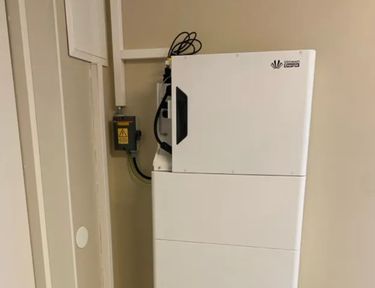
This applies to common situations such as installing a battery together with a rooftop PV system in a single-family home, adding a battery to an existing solar system, or placing a wall-mounted storage unit in an existing technical room or basement.
In these cases, the battery is usually considered technical equipment and part of the building’s electrical system rather than a new construction project requiring planning permission.
However, the answer is not identical for every installation. Whether additional approval is needed depends on factors such as the installation location, system design, property type, and local building regulations.
Why Do Battery Storage Requirements Differ Between German Regions?
Germany does not have one single building regulation that applies to every battery storage installation.
While energy-related registration requirements are defined at the federal level, building-related requirements are regulated by individual federal states (Bundesländer) through their respective state building regulations (Landesbauordnungen).
Therefore, the requirements for a battery storage installation may vary depending on the location, building type, and installation concept.
For standard residential battery storage systems installed inside existing homes, the practical requirements are generally similar throughout Germany. However, regional building regulations may become more relevant when a project involves special conditions, such as outdoor battery cabinets, separate battery enclosures, structural modifications, larger storage systems, or protected buildings.
When planning a residential battery storage project, the key consideration is not only whether the battery system itself requires approval, but also whether the planned installation involves any building-related changes that require additional review.
Homeowners should clarify these aspects with their installer, while installers and project planners should evaluate the applicable local requirements before commissioning the system.
When Could a Home Battery Require Additional Approval?
Although most residential battery storage systems do not require a building permit, certain situations may involve additional regulatory review.
Outdoor Battery Storage Systems
An indoor battery installed in an existing room is generally treated differently from an outdoor battery cabinet or standalone storage structure.
If a battery is installed outside the building, authorities may need to consider factors such as whether the installation creates a new structure, whether additional fire protection measures are required, and whether local building regulations apply.
The key factor is not only the battery capacity but also how the system is physically installed.
Apartment Buildings and Rental Properties
Installing a home battery in a detached house is usually more straightforward than installing one in a shared residential building.
For apartment buildings or rental properties, additional coordination may be required because the installation can affect shared electrical systems or common areas.
Depending on the ownership situation, homeowners or tenants may need approval from the property owner, landlord, or building management before making changes to the electrical infrastructure.
Larger or Non-Standard Battery Systems
Most residential batteries are designed for private households. However, larger systems or unusual configurations may require additional technical evaluation.
For example, systems serving multiple properties, larger outdoor storage units, or installations that significantly affect the grid connection may involve additional requirements from authorities or the local grid operator.
Does a Home Battery Need to Be Registered in Germany?
A common misunderstanding is that if a battery does not require a building permit, no further action is needed.
In reality, residential battery storage systems are generally subject to registration requirements.
Registration in the Marktstammdatenregister (MaStR)
Battery storage systems in Germany must generally be registered in the Marktstammdatenregister (MaStR), which is operated by the German Federal Network Agency (Bundesnetzagentur).
The purpose of this register is to maintain transparency about Germany’s energy generation and storage infrastructure.
During registration, information about the storage system is recorded, such as technical details, location, and commissioning information.
Official information:
Bundesnetzagentur – Marktstammdatenregister
In practice, homeowners often receive support from their installer during this process. Before purchasing a battery system, it is worth confirming who will handle registration and documentation.
Do You Need to Contact the Grid Operator Before Installing a Battery?
Besides registration, the requirements of the local grid operator (Netzbetreiber) should also be considered during project planning.
A battery storage system changes how electricity flows between the PV system, household consumption, and the electricity grid. Therefore, technical coordination may be required depending on the installation.
This is especially relevant when:
- adding a battery to an existing PV system,
- installing a new PV system with battery storage,
- changing inverter or grid connection configurations.
In many cases, the installer manages communication with the grid operator and ensures that the technical requirements are met.
What Happens When Adding a Battery to an Existing PV System?
Many German homeowners already have solar panels and decide to add battery storage later. Although this is common, installing a battery is not simply connecting an additional device.
Before installation, the system should be checked to ensure compatibility between:
- the PV system,
- inverter technology,
- battery management system,
- household electrical installation.
The installer may also need to update technical documentation or coordinate with the grid operator depending on the system configuration.
For homeowners, the important point is that adding a battery should be treated as a professional system upgrade rather than a simple hardware replacement.
What Technical and Safety Requirements Apply to Home Batteries in Germany?
Even without a building permit, a residential battery storage system must meet electrical and safety requirements.
Modern home batteries include protection functions such as battery management systems (BMS), temperature monitoring, and fault detection. However, safe operation depends not only on the battery product itself but also on correct system design, installation, and commissioning.
Electrical installation should follow applicable safety requirements and manufacturer instructions. In Germany, electrical engineering standards and guidance are supported by organizations such as VDE.
Professional installation and commissioning are essential to ensure safe operation and compliance with applicable requirements.
Who Handles the Approval and Registration Process?
Many homeowners are concerned that installing a battery means dealing with multiple authorities themselves.
In most residential projects, the installer plays an important role in managing the technical process.
Depending on the project, the installer may support:
- checking local requirements,
- preparing technical documents,
- coordinating with the grid operator,
- commissioning the system,
- supporting registration procedures.
Before purchasing a home battery, homeowners should clarify these responsibilities in advance to avoid unexpected delays after installation.
What Should Homeowners Check Before Buying a Home Battery in Germany?
Before a residential battery storage system is purchased and installed, the following aspects should be evaluated:
| Aspect | Why It Matters |
|---|---|
| Applicable building requirements | Determines whether additional review is needed |
| Registration requirements | Ensures compliance with German energy regulations |
| Grid connection conditions | Supports smooth commissioning |
| Technical documentation | Required for operation and maintenance |
| Installation qualifications | Ensures safe and compliant installation |
Practical Examples
Example 1: 10 kWh Battery in a Single-Family Home
A homeowner installs a 10 kWh lithium battery together with a rooftop PV system inside a technical room.
In this typical situation:
A separate building permit is generally not required.
However, the system still needs to meet electrical safety requirements, be properly installed, and be registered according to applicable requirements.
Example 2: Outdoor Battery Cabinet
A homeowner installs a larger battery cabinet outside the house.
In this case, additional considerations may apply because the installation may involve:
- local building regulations,
- fire protection requirements,
- additional technical coordination.
The exact requirements depend on the design and location of the installation.
Frequently Asked Questions
Does a 10 kWh home battery need planning permission in Germany?
For a typical residential installation inside an existing home, a separate building permit is generally not required. However, registration, electrical safety, and grid-related requirements still need to be considered.
Do I need approval to add a battery to my existing PV system?
Usually, not a building permit. However, the technical configuration and grid connection conditions should be checked before installation.
Does a home battery need to be registered in Germany?
Yes. Residential battery storage systems generally need to be registered through the Marktstammdatenregister operated by the Bundesnetzagentur.
Are battery storage requirements the same throughout Germany?
Not completely. Building-related requirements may differ between federal states because each state has its own building regulations. However, typical residential installations usually follow similar procedures.
Can I install a home battery myself?
DIY installation is generally not recommended because battery storage systems involve electrical connections and must comply with safety requirements and manufacturer specifications.
Conclusion: Can You Legally Install a Home Battery in Germany?
For most homeowners in Germany, installing a residential battery storage system is legally possible without applying for a traditional building permit.
However, a successful installation requires more than purchasing a battery.
Homeowners should understand that:
- a typical home battery usually does not require a Baugenehmigung,
- registration requirements still apply,
- grid connection conditions should be checked,
- professional installation is essential for safety and compliance.
By understanding these requirements before purchase, homeowners can avoid administrative problems and ensure a smoother installation process.
For homeowners, installers, and energy partners looking for reliable residential battery storage solutions in Europe, Ultimati Energie provides professional energy storage solutions designed to support safe and compliant battery installations.

Ultimati Energie Deutschland GmbH is a Germany-based B2B energy storage system provider specializing in scalable residential and C&I battery storage solutions for European partners.
Become a Partner
Sales: +49 1624886367
Customer Support:
+49 15226994869
Address: Ober der Röth 4, 65824 Schwalbach am Taunus, Germany
Copyright © 2026 Ultimati Energie Deutschland GmbH All rights reserved.