

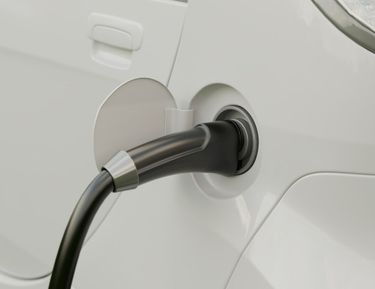
A Clear Explanation of Wallbox Functions and Practical Tips for Efficient Home Charging
Electric mobility is becoming increasingly important, and with it, the interest in home wall-mounted EV chargers (Wallbox) is also growing. Whether you already own an electric vehicle or plan to buy one, you will sooner or later face one key question: How can you charge your car efficiently and safely at home? A home EV charging station is the ideal solution. In this blog, we will clearly explain the core functions of a Wallbox and provide practical Wallbox installation tips to make home charging more efficient and convenient for you.
Why a Wallbox Is Essential
Many EV owners initially charge their vehicles using a regular household socket. While this may be sufficient for occasional use, it has obvious drawbacks: Slow charging speed and potential overload of the household electrical system. In comparison, a home Wallbox offers:
- Faster charging
- A safe connection to the home power grid
- Smart energy management
With modern technology, you can optimize your electricity costs and improve your environmental footprint. For users who want to charge their EVs at home, a Wallbox provides a stable and safe charging experience.
Basic Functions of a Wallbox
Smart Control
Modern Wallboxes are often equipped with intelligent control systems, allowing you to adjust charging according to your needs. For example: setting the charging process to start automatically when electricity prices are lower. This is especially important for users who want to reduce their home charging costs.
Charging Power
Charging power is a key factor and depends on the Wallbox, the power system, and the vehicle itself. Common household Wallboxes offer 11 kW or 22 kW. The higher the power output, the faster the charging—particularly useful for EVs with larger battery capacities.
Safety
A professionally installed Wallbox ensures a safe connection to your home electrical system.
Safety features include: Residual current protection, temperature monitoring and load management. These features help prevent overload and reduce risks.
Communication & Connectivity
Many Wallboxes support smart features such as: WLAN or LAN connection, App control and integration with smart home systems. Users can check charging status, adjust charging times, or view energy consumption at any time.
Ultimati Energie NX-AE1: A Smart Home Charging Option
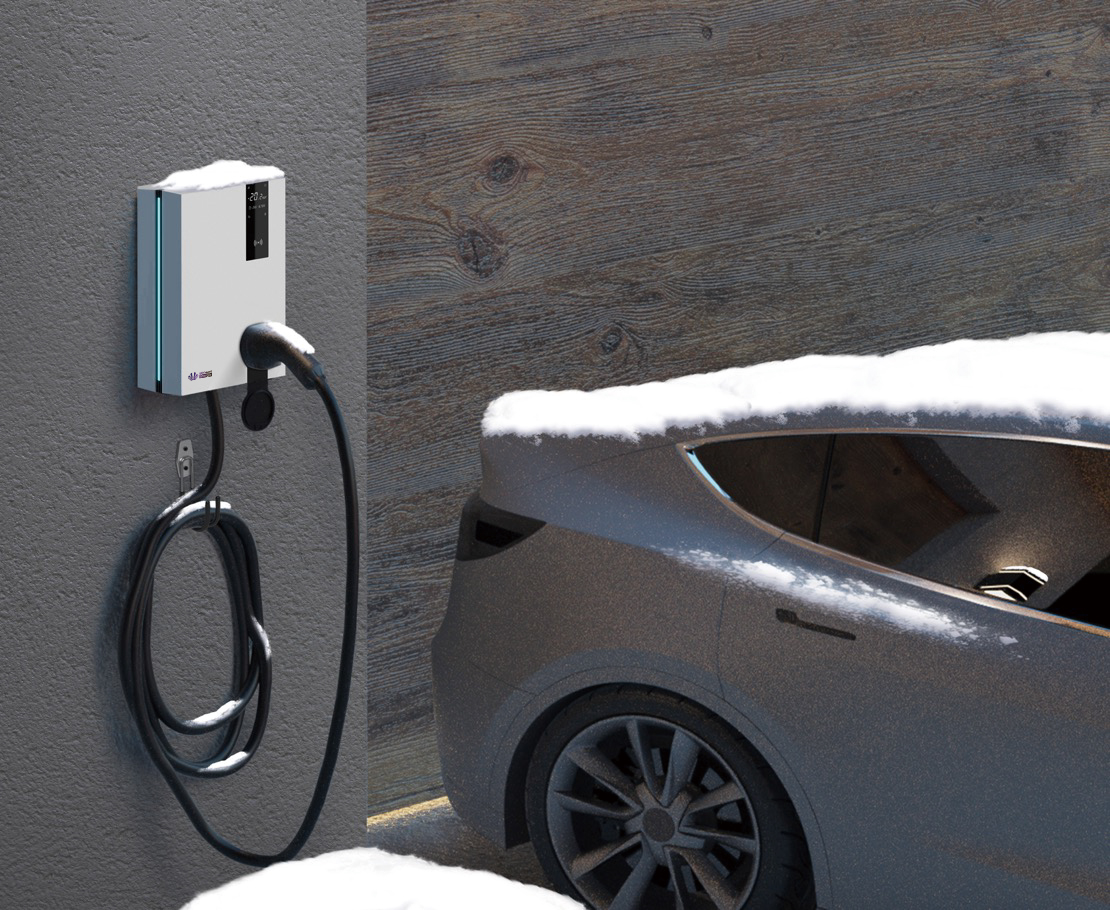
A recommended device is the NX-AE1 from Ultimati Energie. This compact smart home charger is suitable for European households and supports:Single-phase 7 kW, three-phase 22 kW and type-2 connector (compatible with most EVs, including Tesla, BMW, Volkswagen, etc.)
The NX-AE1 uses a clever “sandwich-style structure,” allowing easy wall or pedestal installation within 10 minutes. Its dynamic load balancing system automatically adjusts the current to protect household fuses, avoiding the need for expensive grid upgrades. With solar charging capability, users can utilize excess photovoltaic energy to achieve a low-cost, sustainable green home energy solution.
How to Choose the Right Wallbox
When choosing a Wallbox, consider these factors:
- Power and vehicle type: Confirm the maximum charging power your EV supports.
- Installation method: Wall-mounted or pedestal, depending on your garage or parking layout.
- Budget: Smart features and higher power generally increase the price but save time and money in the long run.
Another key point is compatibility with your existing household electricity system. A home EV charging station must be installed safely and in compliance with regulations. To help you make a decision, we also prepared a separate guide: How to Find the Best Wallbox for Your: Practical Tips and a Guide to Smart Tools
Wallbox Installation: Tips for Home Use
Professional Installation
A Wallbox must be installed by a certified electrician to ensure all safety standards are met and to prevent damage to the household grid.
Installation Location
A Wallbox should be installed: In an easily accessible location, protected from wind and weather and close to the parking spot. This makes charging more comfortable and improves cable management.
Cable Length and Plug Type
Consider the distance between your vehicle and the Wallbox. Common cable lengths are 5–7 meters. It’s also essential to choose the correct plug type that is compatible with your EV.
Advantages of a Wallbox Over a Household Socket
Faster Charging
A regular socket typically provides only 2.3 kW, while a Wallbox can deliver 11–22 kW—significantly reducing charging time.
Efficiency & Energy Management
A home Wallbox can optimize current flow and monitor energy usage. With smart controls, you can avoid power peaks and save on electricity costs.
Higher Safety
Household sockets are not designed for long-term, high-power operation.
A professionally installed Wallbox helps prevent: Overheating, short circuits and other electrical risks.
Convenience & Control
Through an app or smart home system, you can always monitor charging status and energy consumption.
Cost & Incentives
The price of a home Wallbox varies depending on power level, features, and brand. In addition, Germany offers Wallbox subsidies, making the investment even more attractive. Charging your EV at home is not only faster but can also be more cost-effective.
Tips to Improve Charging Efficiency
- Use scheduled charging during off-peak electricity hours
- If you have solar panels, prioritize using your own solar power
- Monitor the charging process via the Wallbox app or smart home system
- Perform regular Wallbox maintenance to extend its lifespan
FAQ: Frequently Asked Questions
What do you need to charge an EV at home?
You need: A home Wallbox, a suitable charging cable, a safe and stable power supply system,a Wallbox with smart management and load balancing further reduces electricity costs and extends equipment life.
What should you consider when installing a Wallbox?
Installation must be done by a professional electrician. Key points include:
- Installation location
- Weather protection
- Cable length
- Compatibility with your vehicle
Conclusion
A home Wallbox offers numerous advantages over a regular household socket: Faster charging, higher safety and greater efficiency and intelligence. It allows you to charge your EV at home more easily, saving time and costs—an ideal energy solution for modern households.
If you’re looking for a reliable option, Ultimati Energie provides high-quality, easy-to-install home Wallboxes with smart features, helping your home move seamlessly into the electric era.

Ultimati Energie Deutschland GmbH is a Germany-based B2B energy storage system provider specializing in scalable residential and C&I battery storage solutions for European partners.
Become a Partner
Sales: +49 1624886367
Customer Support:
+49 15226994869
Address: Ober der Röth 4, 65824 Schwalbach am Taunus, Germany
Copyright © 2026 Ultimati Energie Deutschland GmbH All rights reserved.