

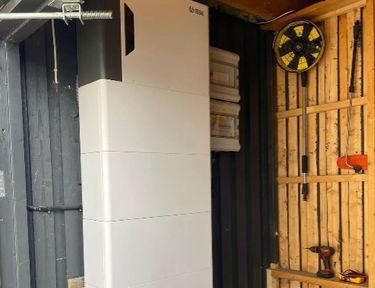
Why Hybrid Inverters Are Crucial for Commercial PV and Charging Projects
The global push for clean energy is transforming how businesses generate and consume power. Commercial projects that integrate photovoltaic (PV) systems and electric vehicle (EV) charging stations are no longer optional—they are becoming standard. To make these systems reliable and efficient, businesses need advanced technologies that can handle multiple power sources. At the center of this transition are hybrid inverters, the backbone of modern energy systems.
What Are Hybrid Inverters?
A hybrid inverter, sometimes called a solar hybrid inverter or commercial hybrid inverter, goes beyond the role of a traditional inverter. Standard inverters only convert DC power from solar panels into AC electricity. Hybrid inverters also manage battery storage, allowing businesses to store excess solar energy and use it later.
This dual functionality makes them vital for commercial PV and charging projects. They coordinate energy flows between solar panels, batteries, and the grid—ensuring that power is available where and when it’s needed.
Why Hybrid Inverters Are Essential in Commercial Projects
1. Optimized Energy Use
Commercial solar systems often generate more electricity than immediate demand requires. Hybrid inverters allow that excess energy to be stored in batteries for later use. This reduces dependence on the grid and helps lower energy costs. For EV charging stations, stored energy can meet peak charging demand without drawing expensive grid power.
2. Managing Peak Loads
Energy demand in businesses is rarely steady. Office hours, production schedules, or multiple vehicles charging at once can cause sudden spikes. A PV hybrid inverter smooths out these peaks by using stored energy intelligently. The result: fewer demand charges and greater system efficiency.
3. Backup Power and Grid Independence
Grid outages can lead to costly downtime for commercial facilities. Hybrid inverters provide a safeguard by drawing from batteries during blackouts, keeping operations and EV charging stations running. This level of energy security is especially valuable for businesses that rely on uninterrupted service.
4. Smart Energy Integration
Modern hybrid inverters integrate with energy management software and smart meters. Facility managers can monitor performance in real time, track usage trends, and make informed decisions about energy strategy. This smart integration also supports sustainability reporting, which is increasingly important for companies meeting ESG targets.
5. Built for Future Growth
Energy systems need flexibility. Whether expanding solar PV capacity or adding more EV chargers, hybrid inverters can scale without major infrastructure changes. Businesses can start with their current needs and expand seamlessly as demand grows.
Hybrid Inverters and EV Charging Infrastructure
EV adoption is accelerating, and businesses are racing to meet charging demand. But high energy requirements for EV chargers often strain the grid.
Hybrid inverters make charging stations more sustainable and cost-effective by:
Directing solar energy to chargers during daylight hours.
Using batteries to handle charging peaks without overloading the grid.
Reducing operational costs by minimizing reliance on grid power.
Supporting bidirectional charging in advanced systems, where EVs can feed power back to the grid or facility.
By combining solar PV, storage, and charging in one system, hybrid inverters enable businesses to run efficient, reliable, and sustainable EV charging networks.
U-Energie’s Approach to Hybrid Inverter Solutions
Choosing the right partner is just as important as choosing the right equipment. That’s why many businesses turn to U-Energie for advanced hybrid inverter solutions. Our products are designed for seamless integration with solar PV, battery storage, and EV charging systems. Key features include intelligent load management, reliable backup power, and remote monitoring capabilities. Built for commercial-scale performance, U-Energie’s hybrid inverters help companies cut energy costs, improve system resilience, and future-proof their energy infrastructure. By working with U-Energie, businesses gain a trusted partner committed to delivering efficient and sustainable energy solutions.
Financial and Environmental Benefits
Hybrid inverters do more than make systems smarter—they also deliver measurable returns.
Financial advantages:
Lower electricity bills by storing and using excess solar energy.
Reduced peak demand charges, which are often the most expensive part of utility costs.
Faster return on investment (ROI) from PV projects thanks to smarter energy use.
Environmental advantages:
Higher reliance on renewable power and less dependence on fossil-fuel-based electricity.
Significant reductions in carbon footprint.
Stronger alignment with corporate sustainability and ESG goals.
Considerations Before Installing Hybrid Inverters
While hybrid inverters offer many benefits, businesses should plan carefully to maximize results.
Upfront costs can be higher than traditional inverters, but long-term savings outweigh the investment.
System sizing is critical. PV, batteries, and inverters need to be correctly matched for efficiency.
After-sales service matters. Working with experienced providers like U-Energie ensures reliable performance and ongoing support.
The Future of Hybrid Inverters in Commercial Energy Systems
Hybrid inverters will only become more central as renewable adoption grows. Some key trends to expect include:
Greater use of artificial intelligence (AI) for predictive energy management.
Expansion of bidirectional charging, turning EVs into mobile storage units.
Deployment in microgrids, where businesses operate independently from the grid when needed.
These advancements will make hybrid inverters indispensable for companies aiming to stay ahead in the clean energy transition.
Conclusion
Commercial PV and EV charging projects are critical in today’s energy landscape. To make them reliable, efficient, and sustainable, hybrid inverters are essential. They balance solar generation, battery storage, and grid supply in one intelligent system—unlocking both financial savings and environmental benefits.
With innovative solutions from U-Energie, businesses can reduce energy costs, strengthen system resilience, and prepare for future growth. If your next project involves solar PV, energy storage, or EV charging infrastructure, hybrid inverters are the key—and U-Energie is the partner to help you succeed.
Ultimati Energie Deutschland GmbH is a Germany-based B2B energy storage system provider specializing in scalable residential and C&I battery storage solutions for European partners.
Become a Partner
Sales: +49 1624886367
Customer Support:
+49 15226994869
Address: Ober der Röth 4, 65824 Schwalbach am Taunus, Germany
Copyright © 2026 Ultimati Energie Deutschland GmbH All rights reserved.