

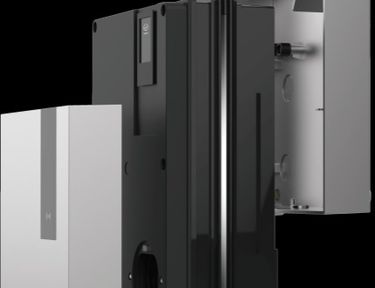
How to Meet All the Requirements for Installing Your Home Wallbox
As electric vehicles (EVs) become more popular, the need for convenient charging solutions grows. While public charging stations are expanding, nothing beats the comfort of charging your EV at home. That’s why many drivers choose to install a home wallbox.
A wallbox provides faster, safer, and smarter charging compared to a standard household socket. But before you set one up, you need to meet certain requirements—technical, legal, and practical. This guide will walk you through each step, so your home wallbox installation is smooth, compliant, and future-ready.
Why Install a Home Wallbox Instead of Using a Socket?
Plugging your EV into a household outlet might seem convenient, but it’s slow and can even be unsafe for long-term use. Standard sockets aren’t built to handle the continuous high power that charging requires.
By contrast, a home wallbox charger delivers:
Faster charging times to get your EV ready more quickly.
Enhanced safety with built-in protections against overloads.
Smart features like scheduled charging or energy monitoring.
Installing a wallbox at home is a smart investment that improves your daily charging experience and adds long-term value to your property.
Step 1: Check Your Electrical Capacity
Before you install your home wallbox, make sure your household electrical system can handle it.
Most chargers need a dedicated circuit for safe operation.
Higher-capacity chargers often require a three-phase connection.
Proper grounding and load balancing prevent overloading.
A certified electrician can test your current system and recommend upgrades if needed.
Step 2: Understand Local Legal Requirements
Depending on where you live, installing an EV charging station may require approvals.
Some municipalities require permits or utility notifications.
Installations must comply with national and local electrical codes.
Certain regions encourage or require smart charging features, which help manage electricity demand.
Checking these regulations early saves time and ensures your home wallbox installation is compliant from the start.
Step 3: Select the Best Location
A wallbox should be placed in a spot that’s safe and convenient for daily use.
Consider these factors:
Close to your parking spot – reduces cable length and cost.
Sheltered but accessible – weather-resistant, yet easy to reach.
Safe routing of cables – avoid trip hazards and awkward stretches.
Taking time to choose the right location will make charging effortless for years to come.
Step 4: Pick the Right Wallbox Model
Not every EV charger is the same. When deciding on a wallbox, think about:
Charging power – does it match your car’s capacity?
Smart functions – app control, scheduled charging, load management.
Compatibility – ensure the wallbox supports your EV’s standard.
Tip: Don’t just focus on today’s needs. Choosing a higher-capacity, smart-enabled wallbox prepares you for your next EV as well.
Step 5: Work with a Certified Installer
A home wallbox may look simple, but installation is complex. Certified electricians ensure:
Proper wiring and grounding.
Secure mounting and weatherproof sealing.
Compliance with all safety codes.
DIY installation risks voiding warranties and creating safety hazards, so professional help is essential.
Choosing a Reliable Home Wallbox Provider
At U-Energie, we understand that selecting the right wallbox provider is essential for a smooth installation and long-term reliability. That’s why our wallbox solutions are built with durable German engineering and enhanced with smart technology. Our systems feature intelligent load management, broad vehicle compatibility, and seamless integration into home energy setups. With U-Energie, you not only simplify the installation process but also ensure full compliance with regulations—while enjoying a charging station designed for everyday convenience and future flexibility.
Step 6: Think About Future-Proofing
Electric vehicles are evolving quickly. If you’re planning to install a home wallbox, think long-term:
Opt for a higher charging capacity to support future cars.
Look for smart energy integration, like solar compatibility.
Choose scalable systems that allow for additional chargers.
Future-proofing now saves time and money later.
Step 7: Maintenance and Safety Checks
Wallboxes are low-maintenance, but a few simple practices extend their life:
Inspect cables and connectors regularly.
Keep the unit clean and dry.
Schedule occasional checks with a professional.
A little care goes a long way in ensuring consistent, safe charging.
FAQs About Installing a Home Wallbox
1. Do I need a permit to install a home wallbox?
In many areas, yes. Check with your local utility or municipality to avoid issues.
2. How long does installation take?
Most installations are completed in a few hours, but upgrades to your electrical system may take longer.
3. Can I install a wallbox outdoors?
Yes. Most models are weatherproof, but installing under a sheltered spot increases durability.
4. What’s the typical cost of installation?
Costs vary based on electrical upgrades and wallbox type. On average, it ranges from several hundred to a few thousand euros.
Final Thoughts
Installing a home wallbox is one of the best ways to make EV ownership convenient, safe, and future-ready. By checking your electrical capacity, following regulations, choosing the right model, and working with professionals, you’ll have a reliable charging solution tailored to your needs.
And with trusted providers like U-Energie, you can simplify the process and enjoy a wallbox designed for both today’s EVs and tomorrow’s innovations.

Ultimati Energie Deutschland GmbH is a Germany-based B2B energy storage system provider specializing in scalable residential and C&I battery storage solutions for European partners.
Become a Partner
Sales: +49 1624886367
Customer Support:
+49 15226994869
Address: Ober der Röth 4, 65824 Schwalbach am Taunus, Germany
Copyright © 2026 Ultimati Energie Deutschland GmbH All rights reserved.