

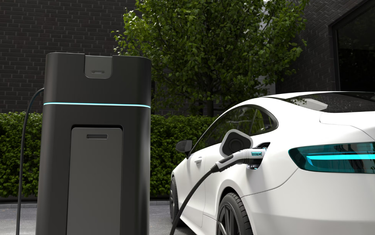
As electric vehicles become increasingly popular, homeowners are exploring efficient ways to charge electric cars at home. Installing a Wallbox charger is the most convenient and reliable solution, but in some situations, a Wallbox stand—a freestanding support for the charger—can be the ideal choice. This article explains when a Wallbox stand makes sense, its advantages, and how it integrates with modern home energy systems to maximize convenience and savings.
With the growing focus on sustainable mobility and energy efficiency, combining a Wallbox stand with home energy management and solar energy storage can significantly reduce your electricity costs while increasing independence from the public grid.
What Is a Wallbox Stand and How Does It Work
A Wallbox stand is a freestanding, durable structure that securely holds your home EV charger. Unlike wall-mounted solutions, the stand can be installed almost anywhere, providing flexibility for driveways, carports, or detached garages. It is anchored to the ground to ensure stability and proper positioning, even in outdoor environments exposed to wind, rain, or snow.
Many Wallbox stands are designed to hold one or two chargers simultaneously, which is especially useful for households with multiple electric vehicles. Integrated cable management channels help keep cables neat, safe, and protected from the elements.
By combining a Wallbox stand with solar energy storage, homeowners can charge their vehicles using self-generated solar power, further reducing energy costs and contributing to a sustainable home energy ecosystem.
When Does a Wallbox Stand Make Sense
1. No Suitable Wall Nearby
If your parking spot lacks a nearby wall for mounting, a freestanding Wallbox stand allows you to charge your electric car at home without structural limitations. This is particularly common for homes with detached garages or open driveways.
2. Multiple Vehicles in the Household
For homes with two or more EVs, a dual charger stand offers a practical solution. Two EV chargers can be installed side by side, enabling simultaneous charging without crowding wall space. This setup is particularly beneficial for families or shared residential parking areas.
3. Safe and Organized Cable Management
Wallbox stands often include built-in cable management, ensuring safe and organized use. Proper cable routing reduces tripping hazards and prevents cable wear due to outdoor exposure.
4. Aesthetic and Functional Advantages
In addition to practicality, Wallbox stands enhance the visual appeal of your driveway or carport. A clean, modern installation communicates efficiency and technological sophistication, making it a smart investment for both utility and aesthetics.
Benefits of a Wallbox Stand for Home Charging
Increased Flexibility
A freestanding charger can be placed wherever it is most convenient, whether next to a driveway, in a carport, or in a detached garage. This flexibility ensures that charging your electric car at home is always simple and accessible.
Secure and Stable Installation
The stand provides a robust foundation for your EV charger, maintaining stability during strong winds or adverse weather. This ensures safety and extends the lifespan of your equipment.
Ideal for Outdoor Use
Most Wallbox stands are made from weather-resistant materials such as stainless steel or powder-coated aluminum. This durability guarantees that your charger remains functional and secure for years, even in challenging outdoor conditions.
Integration With Energy Management Systems
Modern stands can integrate seamlessly with home energy management systems, allowing homeowners to monitor and optimize electricity usage. By coordinating with solar energy storage, a Wallbox stand can help ensure that your vehicle is charged efficiently using the cleanest and most cost-effective energy available.
Requirements for Charging an Electric Car at Home
To ensure safe and efficient home charging, certain electrical and structural requirements must be met:
- Electrical Supply: A three-phase 400V connection is typically required for fast and efficient charging.
- Safety Devices: A residual current device (RCD/Fi switch) is necessary to prevent electrical faults and ensure maximum safety.
- Permits and Regulations: Local authorities may have specific requirements for wall-mounted or freestanding installations.
- Financial Incentives: Government programs and utility rebates can reduce the initial cost of a Wallbox chargeror home energy storage system.
Planning your installation with a licensed electrician ensures compliance with regulations, optimal safety, and reliable performance.
Cost to Charge an Electric Car at Home
One of the most frequently asked questions is: “What is the cost to charge an electric car at home?”
The answer depends on several factors, including your electricity tariff, vehicle battery size, and the power output of the charger. On average, fully charging a 60 kWh battery at a rate of €0.30 per kWh costs about €18.
Saving With Solar Energy Storage
Integrating a solar energy storage system allows homeowners to store excess solar power for EV charging. This reduces reliance on the grid and significantly lowers electricity costs. Smart home systems can schedule charging to maximize the use of self-generated energy, optimizing both cost and efficiency.
Combining a Wallbox Stand With Energy Storage
Pairing a Wallbox stand with a residential lithium-ion energy storage system offers several benefits:
- Greater independence from the utility grid
- Reduced energy costs through stored solar energy
- Sustainable and environmentally friendly charging
- Integration with smart home systems for automated charging
This combination transforms a home into an energy-efficient hub, supporting sustainable mobility and providing convenience, cost savings, and environmental benefits.
Installation of a Wallbox Stand
Installing a Wallbox stand should always be performed by a licensed electrician. Typical installation steps include:
Professional installation ensures compliance with local regulations and electrical safety standards while maximizing the longevity and reliability of your EV charger.
Maintenance and Durability
High-quality Wallbox stands require minimal maintenance. Periodic inspection, cleaning, and checking connections are usually sufficient. Weather-resistant materials such as stainless steel or powder-coated aluminum provide durability, even under prolonged exposure to the elements.
Proper maintenance ensures your system remains safe, reliable, and efficient for years of home charging.
Real-Life Use Cases
Single-Family Homes
A Wallbox stand allows homeowners with no suitable wall nearby to charge electric cars at home safely and efficiently, even in detached garages or open driveways.
Multi-Vehicle Households
Dual charger stands are ideal for families with multiple EVs, enabling simultaneous charging without additional wall installations.
Solar-Powered Charging
Combining a Wallbox stand with solar energy storage maximizes the use of self-generated solar power, ensuring that your EV is charged sustainably and cost-effectively.
Conclusion
A Wallbox stand provides flexibility, safety, and a professional installation solution for home EV charging. Whether in a driveway, carport, or garage, it offers a convenient and ergonomic solution for homeowners looking to charge electric cars at home.
For those aiming to take home charging to the next level, solutions from Ultimati Energie include scalable lithium-ion energy storage systems, Wallbox chargers, and smart home integration. Combining a Wallbox stand with solar energy storage and home energy management allows homeowners to achieve energy independence, reduce electricity costs, and support sustainable mobility.
With a well-planned setup, charging your EV at home becomes not only convenient but also cost-effective and environmentally responsible.