

Difference Between Solar Thermal and Photovoltaic Systems
In times of rising energy prices and growing environmental awareness, many homeowners ask: “Which solar technology is right for me?” The term “solar system” is often used—but does it refer to solar thermal or photovoltaic?
As an energy advisor, I will explain the difference between solar and photovoltaic systems, what each can do, and which is best suited to your needs.
What Is a Solar System?
The term solar system refers to any technology that uses solar energy—either for generating electricity or producing heat. There are two main types:
- Solar Thermal System: Captures solar energy to heat water or support heating systems.
- Photovoltaic (PV) System: Converts sunlight directly into electricity.
In most technical contexts, solar thermal system is meant when people say "solar system." Typical components include:
- Flat-plate or evacuated tube collectors
- Hot water storage tank
- Control unit and heating circuit connection (if applicable)
A solar thermal system is ideal for homes with high hot water usage—like families or frequent bathers.
How a Solar Thermal System Works (for Hot Water and Heating)
1. Sunlight strikes the solar collectors, which are mounted on the roof and absorb the sun’s thermal energy.
2. A heat-transfer fluid (usually antifreeze mix) circulates through the collectors and becomes heated.
3. The heated fluid flows to a heat exchanger, transferring its energy to water stored in a tank.
4. The hot water is then used for domestic purposes such as showers, dishwashing, or central heating.
What Is a Photovoltaic System?
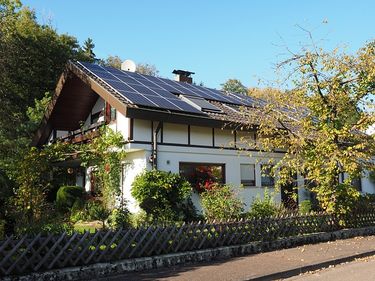
A photovoltaic system (PV system) generates electricity from sunlight using solar cells. Key components include:
- Solar Modules: Usually monocrystalline, converting sunlight into DC
- Inverter: Converts DC into usable AC electricity
- Battery Storage (optional): Stores excess energy for later use
- Energy Management System: Optimizes usage, storage, and grid feed-in
An increasing number of households are installing PV systems for self-sufficiency, saving several hundred euros in electricity costs annually. Many European households report saving up to 60% on electricity bills, especially when battery storage is added.
How a Photovoltaic (PV) System Works (for Electricity)
1. Sunlight hits the photovoltaic panels, typically installed on the roof or facade of a building.
2. Solar cells inside the panels generate direct current (DC) electricity when exposed to light.
3. An inverter converts the DC electricity into alternating current (AC), which is compatible with home appliances.
4. The electricity is either consumed in the home, stored in a battery for later use, or exported to the power grid.
Comparison: Solar Thermal vs. Photovoltaic Systems
| Feature | Solar Thermal System | Photovoltaic System |
|---|---|---|
| Energy Type | Heat | Electricity |
| Primary Use | Hot water, heating support | Household electricity, grid feed-in |
| Efficiency | 60–80% | 15–22% |
| Storage | Hot water tank | Battery storage |
| Incentives | BAFA (Germany) | KfW, EEG (Germany) |
| Lifespan | Approximately 20 years | 25–30 years |
Solar Thermal vs. Photovoltaic: Pros and Cons Compared
Solar Thermal Systems
Advantages:
- Very efficient at generating heat
- Ideal for households with high hot water demand
- Government subsidies available (e.g. BAFA in Germany)
Disadvantages:
- Limited usage (heat only, no electricity)
- More complex integration with existing heating systems
Photovoltaic Systems (PV)
Advantages:
- Electricity can be used directly or fed into the grid
- Long service life (typically 25–30 years)
- Attractive financial support: KfW loans and EEG feed-in tariffs (Germany)
Disadvantages:
- Performance depends on sunlight availability
- Battery storage increases initial investment costs
Practical Considerations for Households
Costs and Subsidies
The cost of a photovoltaic system ranges between €10,000 and €20,000, depending on system size. Government support such as KfW loans (Program 270) and feed-in tariffs under the EEG can make these systems more financially appealing.
For solar thermal systems, the BAFA (Federal Office for Economic Affairs and Export Control) offers grants through the Federal Funding for Efficient Buildings (BEG) program.
Space Requirements and Installation
Photovoltaic systems generally require more roof space than solar thermal systems but offer greater flexibility in energy usage. To ensure maximum efficiency and correct orientation, installation should be carried out by certified professionals.
Combining Both Systems
It is entirely possible to install both systems together, allowing you to generate electricity and heat from solar energy. These hybrid solutions can significantly improve a household’s energy independence.
Which System Suits Your Home?
As an energy advisor, I generally recommend:
- Solar thermal systems if your goal is to save on heating costs and your household uses a lot of hot water (e.g., families with multiple people)
- Photovoltaic systems if you want to reduce electricity costs, become more energy independent, or benefit from government feed-in tariffs
Example Scenarios
Example 1 – A family of 4 with a south-facing roof and a heat pump:
→ A photovoltaic system with 8 kWp and battery storage is ideal for self-consumption.
Example 2 – A two-family home with central hot water supply:
→ A solar thermal system is particularly economical for supporting space and water heating.
Tip: Many households opt for a combined solution—such as PVT collectors, which generate both heat and electricity from the same rooftop surface.
Realistic Cost Example – Is PV Worth It?
| Parameter | Value |
|---|---|
| System size | 6 kWp |
| Total cost (with battery) | €14,000 |
| Annual production | ~6,000 kWh |
| Self-consumption | 70% |
| Yearly savings | ~€1,260 (at €0.30/kWh) |
| Payback period | ~8–9 years |
5 Common Myths About Solar & Photovoltaics
“PV only works in direct sunlight.”
→ Myth! Modern modules work even in cloudy conditions.“Solar thermal is outdated.”
→ No! It remains very efficient and widely used.“You can’t install both systems.”
→ Wrong! Combination systems are common and smart.“You must use battery storage.”
→ Not required, but beneficial for maximizing self-use.“PV systems are no longer profitable.”
→ With today’s energy prices and incentives—they absolutely are.
Government Incentives for Solar System
Photovoltaics:
KfW Loan 270 → Low-interest financing KfW.de
EEG Feed-in Tariff: €0.08–€0.10/kWh (2025)
Tax deductions for self-consumed electricity
Solar Thermal:
BAFA Grants: Up to 30–35% of eligible costs → bafa.de
Conclusion: Heat or Power? The Key Difference Between Solar Technologies
Both solar thermal and photovoltaic systems convert sunlight—but into very different forms of energy. Choose photovoltaic if your priority is reducing electric bills, boosting energy independence, or building a smart home. Choose solar thermal if your focus is on reducing heating costs, especially with a high hot water demand. Combine systems for full benefits—and maximize your solar potential.
Ultimati Energie Deutschland GmbH is a Germany-based B2B energy storage system provider specializing in scalable residential and C&I battery storage solutions for European partners.
Become a Partner
Sales: +49 1624886367
Customer Support:
+49 15226994869
Address: Ober der Röth 4, 65824 Schwalbach am Taunus, Germany
Copyright © 2026 Ultimati Energie Deutschland GmbH All rights reserved.