

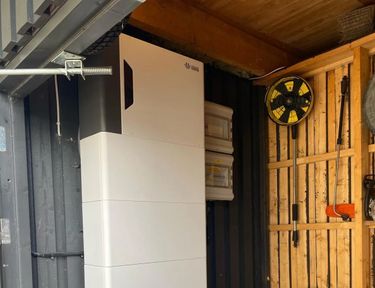
Can You Install a Battery Storage System in a Garage? Safety, Regulations & Best Practices
As more homeowners invest in solar energy, one question comes up frequently: Can you install a battery storage system in a garage?
At first glance, the garage seems like the perfect location. It offers plenty of space, is often close to the inverter or EV charger, and keeps valuable indoor living areas free. However, many homeowners have also heard that installing a battery storage system in a garage may not be allowed or could create safety concerns.
While there is no universal ban on installing a battery storage system in a garage, it is generally not the preferred installation location. In practice, many manufacturers, installers, and fire safety professionals recommend installing residential battery systems in a dedicated utility or equipment room whenever possible.
Whether a garage installation is appropriate depends on local regulations, manufacturer requirements, fire safety considerations, and the environmental conditions inside the garage.
In this guide, we'll explain when garage installation is appropriate, the key safety considerations, and why alternative installation locations are often recommended.
Is Installing a Battery Storage System in a Garage Recommended?
In most residential projects, the answer is no.
Although garage installation may be permitted under certain conditions, it is generally not recommended because garages often cannot provide the stable operating environment required for long-term battery performance and safety.
Before installing a home battery storage system in a garage, several factors should be evaluated:
Fire safety requirements
Adequate ventilation
Ambient temperature
Manufacturer installation guidelines
Garage construction and available space
Accessibility for maintenance and emergency response
Because regulations vary by location, homeowners should always consult a qualified installer and, where required, local authorities before proceeding.
Professional Tip: In many modern residential solar projects, battery storage systems are installed in dedicated utility rooms or equipment rooms rather than garages. These locations typically provide better temperature control, easier maintenance, and improved long-term reliability.
Why Garages Are Generally Not Recommended?
Instead of asking whether a battery can be installed in a garage, homeowners should consider whether it should be.
Although garages may appear convenient, they often expose battery systems to environmental and safety conditions that are less suitable than dedicated indoor spaces.
Common issues include:
Large temperature fluctuations
Higher fire load due to parked vehicles or stored combustible materials
Limited ventilation
Restricted access for emergency responders
Potential mechanical damage from vehicles or equipment
For example, an uninsulated garage may exceed 40°C (104°F) during summer while dropping below freezing in winter. These temperature extremes can reduce battery efficiency, accelerate cell aging, and shorten the overall lifespan of the system.
Fire Safety Considerations for Garage Battery Storage
Fire safety is one of the most important factors when planning a battery storage installation in a garage.
Modern lithium-ion battery systems are equipped with sophisticated Battery Management Systems (BMS), multiple protection mechanisms, and built-in monitoring functions. Nevertheless, under rare fault conditions, a thermal runaway event can still occur, resulting in intense heat and smoke generation.
For this reason, manufacturers and industry standards specify strict installation requirements.
Key fire safety recommendations include:
Ensure adequate ventilation
Keep flammable materials away from the battery
Maintain sufficient clearance from vehicles and combustible objects
Provide easy access for maintenance and emergency services
Install the system according to applicable electrical and fire safety codes
For larger battery systems, additional fire-resistant barriers or dedicated equipment rooms may be required depending on local regulations.
It's also important to remember that many manufacturers require compliance with their installation guidelines as a condition of the product warranty. Improper installation locations may affect warranty coverage or insurance claims.
Technical Requirements for Installing a Home Battery in a Garage
Besides meeting regulatory requirements, the installation environment should also support long-term battery performance.
Temperature
Most lithium battery storage systems perform best between 10°C and 25°C (50°F–77°F). Continuous exposure to excessive heat or freezing temperatures can reduce efficiency and battery life.
Ventilation
Proper airflow helps minimize condensation, prevents moisture buildup, and supports safe operation.
Floor Strength
The installation surface should be level, stable, and capable of supporting the battery's weight over many years.
Electrical Installation
Installation should always be completed by a licensed electrician following applicable electrical standards, including surge protection and grid connection requirements.
Manufacturer Guidelines
Not every battery storage system is designed for installation in an unconditioned garage. Always follow the manufacturer's recommended operating environment.
Meeting these technical requirements not only improves safety but also helps maximize battery performance and service life.
When Is Garage Installation a Good Option?
Installing a solar battery in a garage may be suitable when several conditions are met.
For example:
The garage is insulated and maintains relatively stable temperatures.
Adequate ventilation is available.
Fire separation between the garage and living space complies with local regulations.
Sufficient clearance is maintained around the battery system.
The installation follows all manufacturer recommendations and applicable electrical codes.
Garage installations are often easier to accommodate in new construction projects, where the installation location can be planned from the beginning.
Better Alternatives to Garage Installation
If you are planning a new residential battery system, choosing the right installation location is just as important as selecting the battery itself.
In most situations, installers recommend avoiding garages whenever a dedicated indoor location is available.
| Installation Location | Temperature Stability | Fire Safety | Recommendation |
|---|---|---|---|
| Uninsulated Garage | Low | Moderate | Only suitable under certain conditions |
| Insulated Garage | Medium | Good | Acceptable if requirements are met |
| Basement | Medium to High | Good | Recommended when dry and well ventilated |
| Utility Room | High | Excellent | Highly recommended |
| Dedicated Equipment Room | Very High | Excellent | Best overall choice |
A dedicated equipment or utility room generally provides the safest environment while making maintenance easier throughout the battery's lifespan.
Installation Checklist
Before installing a battery storage system in your garage, review the following checklist:
- ✔ Verify the manufacturer's installation recommendations.
- ✔ Ensure the garage remains within the recommended operating temperature range.
- ✔ Confirm adequate ventilation.
- ✔ Remove flammable materials from the installation area.
- ✔ Hire a qualified solar battery installer or licensed electrician.
- ✔ Verify compliance with local building and electrical regulations.
- ✔ Notify your utility company if required.
- ✔ Inform your insurance provider about the battery installation.
- ✔ Ensure sufficient access for inspection and maintenance.
If several items cannot be confirmed, consider selecting a different installation location rather than proceeding with a garage installation.
Frequently Asked Questions
Is it legal to install a battery storage system in a garage?
In many regions, yes. However, the installation must comply with local building regulations, electrical codes, fire safety requirements, and manufacturer recommendations.
Can cold weather damage a home battery?
Yes. Prolonged exposure to temperatures outside the recommended operating range may reduce battery efficiency and shorten its lifespan.
Does garage installation affect the battery warranty?
Potentially. Many manufacturers require the battery to be installed according to their published guidelines. Failure to meet these requirements could affect warranty coverage.
Should I notify my insurance company?
Yes. Many insurers recommend informing them whenever a residential battery energy storage system is installed. Additional documentation may be required depending on the system size and installation location.
Conclusion
Although a battery storage system can sometimes be installed in a garage, it is generally not the preferred solution. For many homes, a dedicated utility room or equipment room offers a safer, more reliable environment and simplifies future maintenance.
At Ultimati Energie, we support solar installers, electrical contractors, and project developers with expert knowledge and high-quality battery storage solutions. Contact our team today for a tailored consultation and discover the optimal installation strategy for your residential battery storage projects.
This article is intended for general informational purposes only and should not replace professional advice. Always consult a qualified installer and your local authority before installing a residential battery energy storage system.

Ultimati Energie Deutschland GmbH is a Germany-based B2B energy storage system provider specializing in scalable residential and C&I battery storage solutions for European partners.
Become a Partner
Sales: +49 1624886367
Customer Support:
+49 15226994869
Address: Ober der Röth 4, 65824 Schwalbach am Taunus, Germany
Copyright © 2026 Ultimati Energie Deutschland GmbH All rights reserved.